From Model Home To Sold-Out Community: A Launch Playbook For Builders
April 2, 2026
April 2, 2026
What turns a beautiful model home into a sold-out community in Franklin? It is rarely just the floor plan or the finishes. In a market with affluent buyers, a large housing pipeline, and a planning culture that cares deeply about design fit, your launch needs to do much more than open the doors and hope traffic shows up. This playbook walks you through what builders should prioritize in Franklin and Williamson County if the goal is stronger absorption, better positioning, and a smoother path from first release to final close. Let’s dive in.
Franklin gives builders real opportunity, but it also demands discipline. The city’s 2024 Development Report shows 1,068 dwelling units approved in 2024, 10,876 approved but not yet built, and 39,941 existing housing units, which means your community is competing against more than the subdivision down the road. It is competing against a meaningful pipeline of current and future supply, according to the City of Franklin 2024 Development Report.
You are also launching in a high-value market. Census data for Franklin and Williamson County shows strong household incomes, and recent market snapshots point to pricing power paired with a real sales cycle. Realtor.com market data for Williamson County reported a median listing home price of $1.1 million, a median of 54 days on market countywide, and a 98% sale-to-list ratio, while Franklin data cited in the research suggests buyers still take time to decide and often negotiate carefully.
The takeaway is simple: a successful launch in Franklin is not just about exposure. It is about conversion.
In Franklin, the community has to feel like it belongs before buyers fully buy in. The city’s Envision Franklin plan makes it clear that future growth is shaped not only by unit count, but also by land use, site design, and community character. That means your launch story should explain why the neighborhood fits the setting, not just what is included in the base price.
This is where builders often miss the mark. Buyers are not only comparing square footage and finish packages. According to NAHB placemaking guidance, people want to invest in the experience of living in a community, and projects that reflect the story of the land and local context tend to resonate more strongly.
Before you release homesites, make sure you can clearly answer questions like:
If your team cannot tell that story clearly, your model home will have to work twice as hard.
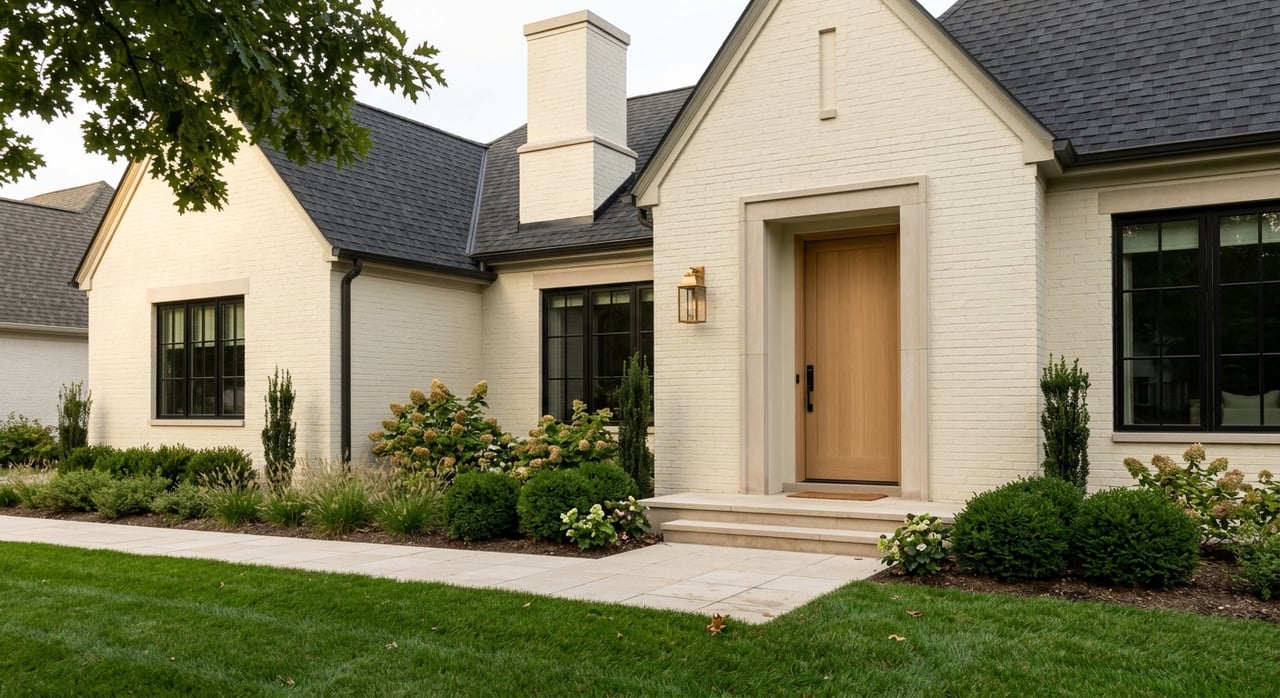
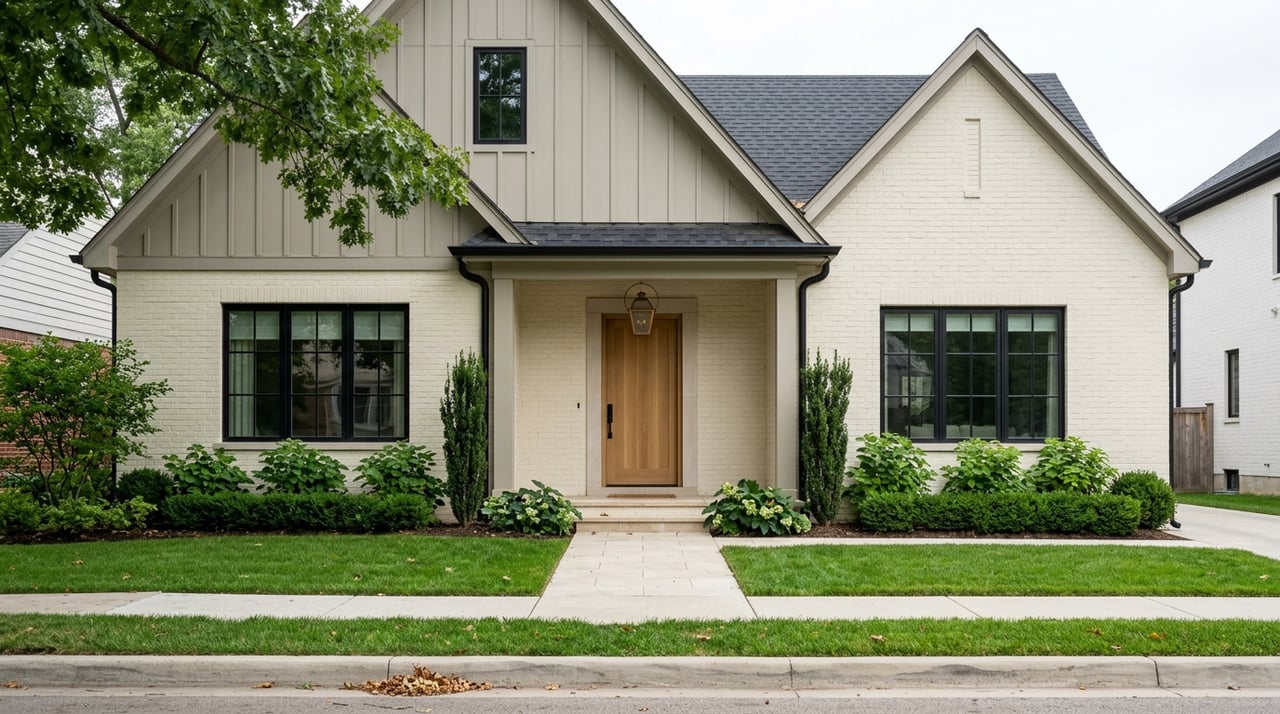
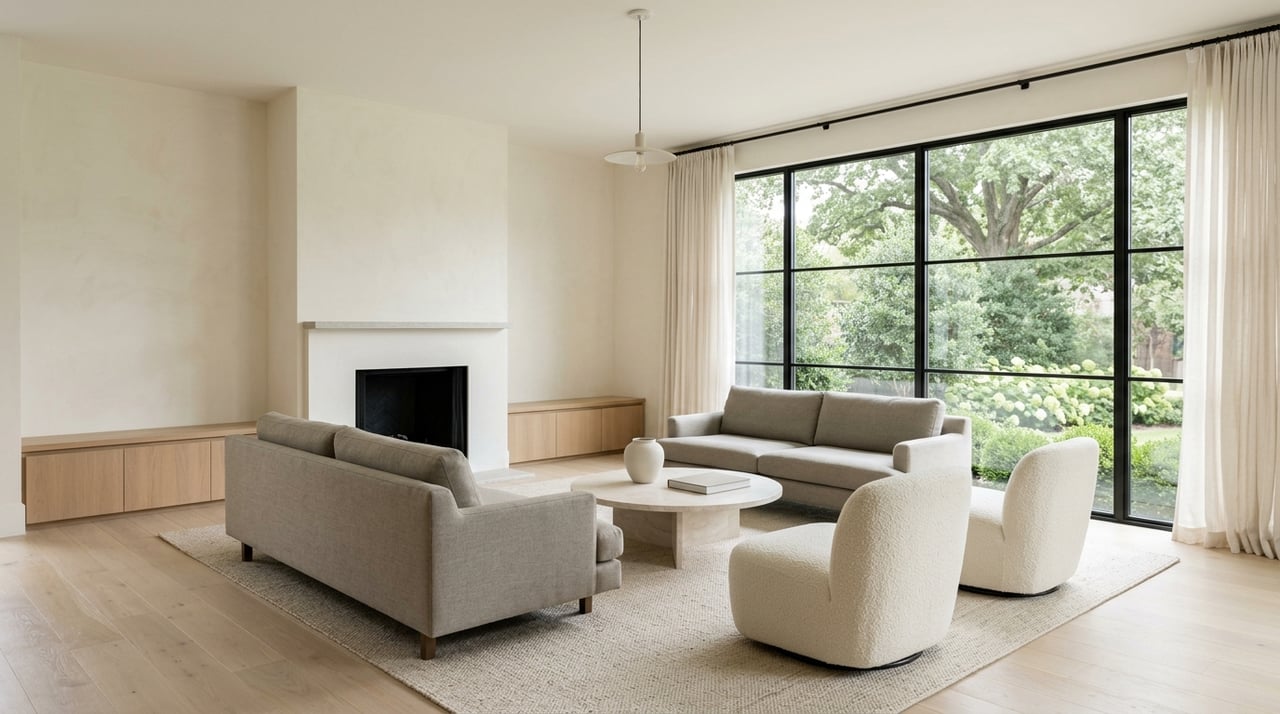
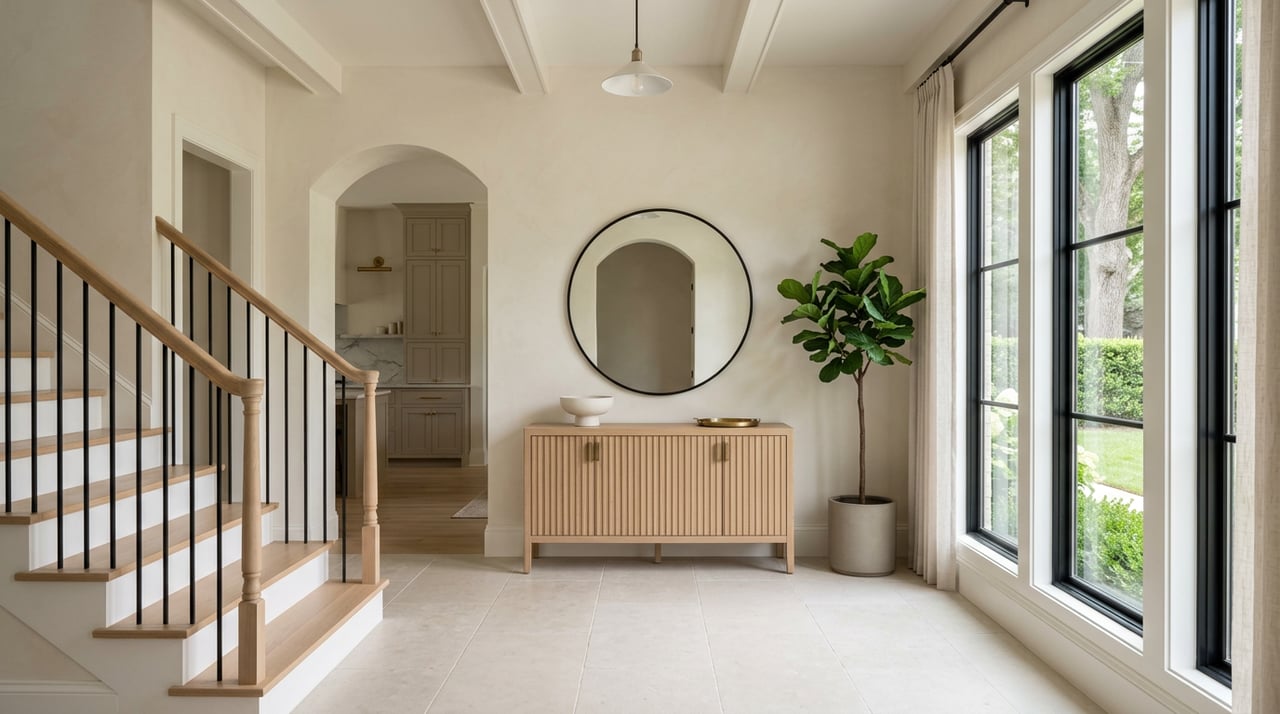
A model home should never be just a design showcase. In Franklin, it should function as a sales center, pricing anchor, and story tool.
That means every room should help a buyer understand how life in the community feels. It should also help them understand the brand, the standard of construction, and the value of moving early. NAHB sales guidance for 2025 emphasizes clear communication, emotional storytelling, and discovery-driven selling. Builders should not treat a model visit like a casual walkthrough. It should feel curated and intentional.
A high-performing model home launch usually includes:
If customization is part of your offer, show it well. NAR’s 2025 Profile of Home Buyers and Sellers found that buyers choosing new construction often cited avoiding repairs and having the ability to customize design features. Your model should make those benefits tangible.
Your launch strategy should reflect who is most likely to buy in this market. Franklin is affluent, highly connected, and increasingly shaped by smaller households and older growth segments. The city’s housing strategy notes that the highest current and projected growth age group is 55 and over, while one- and two-person households make up 57% of the city.
That does not mean every community should target the same buyer. It does mean your messaging should be precise. A broad, one-size-fits-all approach usually underperforms in a market where buyers expect relevance, clarity, and a polished experience.
Think about your likely buyer in practical terms:
These buyers often care about finish quality, privacy, outdoor living, layout efficiency, and long-term value. They may be comparing your homes with resale options and custom opportunities, so your launch must make the ownership experience feel easy and well-managed.
Franklin’s changing household profile supports messaging around convenience, smart design, future use, and simplified upkeep. If your product meets that need, your launch should show how the home supports daily life, not just special occasions.
NAR reports that 88% of buyers purchased through an agent or broker, and 76% of first-time buyers said their agent helped them understand the process. Even in an affluent market, buyers value expert help, especially when timelines, selections, deposits, and construction milestones are involved.
One of the biggest launch mistakes builders make is reacting too quickly to early feedback. In Franklin and Williamson County, pricing needs to balance absorption with margin protection.
The available market data suggests buyers are active, but selective. Realtor.com’s Williamson County market snapshot classifies the market as balanced, with homes selling at about 98% of list on average. Research cited from Franklin also shows average sales can come in below list, reinforcing the need for realistic pricing and strong follow-up rather than overly aggressive opening numbers.
A smarter launch approach often looks like this:
In higher price bands, patience matters even more. Greater Nashville REALTORS® reported that homes priced at $4 million or more averaged 128 days on market in 2025 across the region, with most of those closings in Williamson County. If your community serves luxury buyers, your launch should plan for a longer nurture cycle from the start.
A polished launch is usually decided before the ribbon cutting. If your sales process is loose, slow, or inconsistent, even a strong product can lose momentum.
That is why dedicated sales leadership matters. NAHB’s selling guidance highlights responsiveness, communication, buyer-specific messaging, and planned discovery questions as core drivers of success. In practice, your team should know exactly how to handle the first inquiry, first visit, first follow-up, and first reservation conversation.
Here is a simple framework builders can use:
In a market with a meaningful supply pipeline, follow-up is not optional. It is part of the product.
You do not want your marketing to outpace your operational readiness. Williamson County’s permit information page shows that permits move through an electronic plan review system and that the county uses the 2021 IBC, 2021 IRC, 2021 plumbing code, 2021 mechanical code, and the 2018 energy code, effective September 30, 2024.
For builders, that means early coordination matters. Your plan sets, energy compliance, and review sequencing should be aligned before you go public with timelines that buyers will treat as commitments. If your launch creates demand before your approvals, starts, or specifications are ready, the excitement can turn into friction fast.
Franklin buyers are well-positioned for a strong online pre-sale experience. Local census data shows high educational attainment and a 96% broadband subscription rate in Franklin, according to the U.S. Census QuickFacts page for Franklin. That supports a launch strategy that helps buyers explore the community before and after a model visit.
NAHB also points builders toward online buyer experiences and 3D visualization tools that help people understand the product and picture themselves in it. For your launch, that may include digital floor plan comparisons, homesite maps, finish previews, and guided online registration paths.
The goal is not to replace the in-person experience. The goal is to make every interaction more informed, more personal, and easier to move forward.
In a community launch, details drive outcomes. Buyers want answers on pricing, homesites, timelines, selections, and process. Builders need consistency, lead accountability, and someone who can turn traffic into contracts.
That is where experienced local leadership can make a measurable difference. A launch in Franklin benefits from someone who understands Williamson County buyers, knows how new construction decisions are made, and can manage the day-to-day rhythm of model home traffic, buyer follow-up, and community positioning.
If you are preparing to bring a new community to market in Franklin or anywhere in Williamson County, partnering with a professional who understands both the buyer side and the builder side can help you launch with more confidence. Stephanie Sexton offers builder-focused sales leadership, model-home management, and community launch strategy backed by deep local market knowledge and hands-on transaction execution.
Stay up to date on the latest real estate trends.
Renowned for her client-focused approach and steadfast commitment, Stephanie distinguishes herself as a top negotiator, always striving for mutually beneficial outcomes for all parties involved. Her expertise is particularly valuable in navigating the complexities from contract to close, ensuring her clients achieve their real estate objectives efficiently and effectively while getting the best value.