Trying to decide between a brand-new custom build and a beautifully kept resale in Franklin? You are not alone. Many families weigh timing, cost, and lifestyle before making this call. In this guide, you will see the real tradeoffs for Franklin and Williamson County, plus a simple framework and checklists to help you choose with confidence. Let’s dive in.
Franklin luxury market at a glance
Franklin attracts move-up and relocation buyers who want higher-end homes, convenient access to Nashville, and a strong sense of community. Luxury inventory here can be tighter than the broader region, especially for move-in-ready resales. New-construction options depend on available lots, builder capacity, and how much customization you want.
If you are commuting to Nashville, typical driving distances are about 20 to 30 miles depending on your destination and traffic. Your lifestyle priorities might point you toward a historic neighborhood near downtown, a planned community with amenities, or a private estate on acreage. Clarify those preferences early because they shape both your search and your timeline.
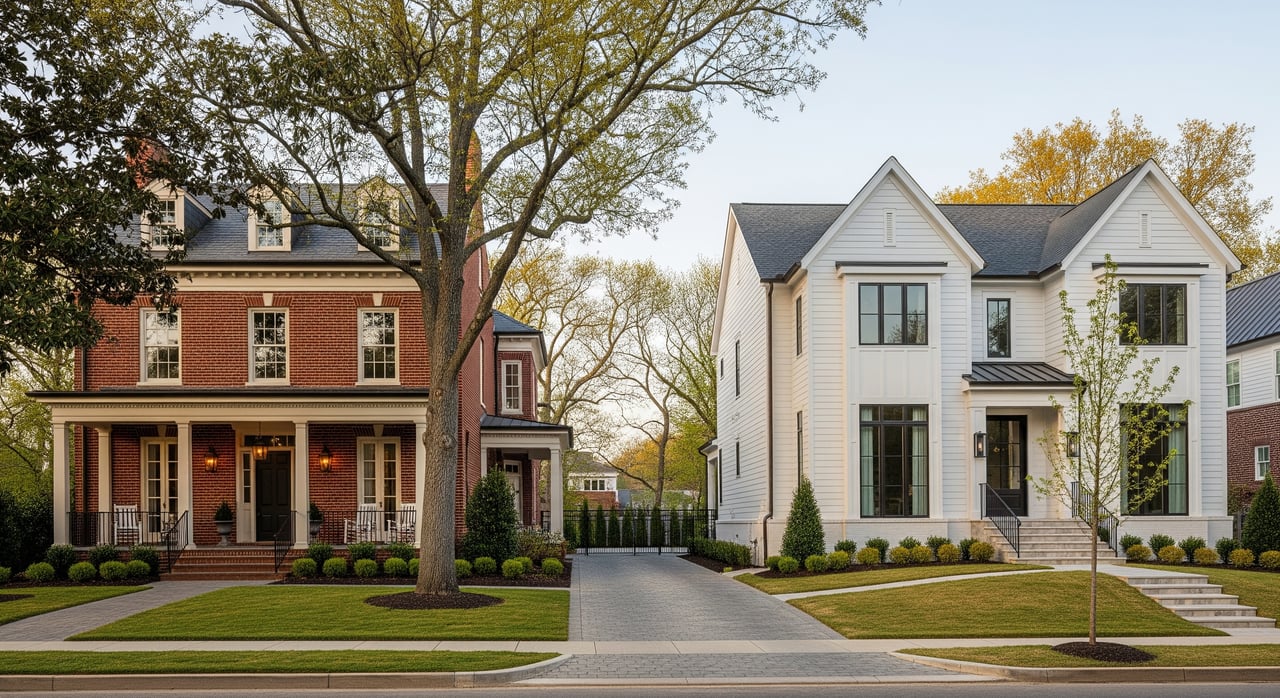
New construction vs. resale: key differences
Timelines and certainty
- New construction: Production or spec homes can be relatively quick, depending on the builder’s backlog. Semi-custom or custom builds often run 9 to 18 months from permit to completion, and delays can occur with ARB approvals, weather, materials, or inspections.
- Resale: You can usually move in within weeks of closing. The path to possession is more predictable, with your biggest variables being inspections, repairs, appraisal, and financing approval.
Costs and financing
- New construction: Your total price includes the lot, base build, upgrades, site work, and landscaping. Financing may involve a construction loan that converts to a mortgage at completion. Plan for soft costs like temporary housing, selections, and possible appliance or fixture upgrades.
- Resale: Pricing is driven by recent comparable sales, condition, and location. You can sometimes negotiate seller credits. If you plan to update systems, kitchens, or baths, build in a renovation budget based on inspection findings.
Warranties and maintenance
- New construction: Many builders use a version of a 1–2–10 warranty model. That often means one year for workmanship, two years for systems, and ten years for structural components. Exact terms vary, so get them in writing and understand service procedures.
- Resale: Coverage is not guaranteed unless the seller provides it or you purchase a home warranty at closing. Expect higher near-term maintenance risk compared to a brand-new home.
Design and customization
- New construction: You can personalize layout, finishes, and technology from the start. Luxury buyers often add amenities like pools, guest houses, or larger garages, which adds cost and time.
- Resale: You may find distinctive character and mature landscaping that are hard to replicate. Cosmetic updates are usually fast, while major layout changes require more time and budget.
Resale value and marketability
- New construction: New homes often command an initial premium. Long-term performance depends on the neighborhood, lot, and builder reputation. Avoid overbuilding relative to the area.
- Resale: Established luxury neighborhoods with mature lots and strong identity tend to hold demand. Proximity to downtown Franklin and preferred school zones can be value drivers.
Franklin approvals and neighborhood fit
ARB and HOA rules
Many Franklin communities have Architectural Review Boards or HOA committees that approve exterior design, materials, colors, fences, and site improvements. Historic districts near downtown can be more restrictive. ARB cycles can add weeks or months, so request the full HOA and ARB packet and timeline before you commit.
Permits and reviews
Permits are handled by the City of Franklin for properties in city limits or by Williamson County for unincorporated areas. Reviews typically cover building, grading and stormwater, plumbing, electrical, and erosion control. Larger lots with septic systems or environmental concerns may require additional studies. Build municipal review time into your plan.
Site constraints
Parts of the county include streams and floodplain areas. Confirm FEMA maps and setbacks early since foundation design and costs can change based on floodplain requirements. Rural or estate properties may use well and septic instead of municipal utilities, which affects cost and timing.
Schools, commute, and lifestyle
School zones are an important factor for many buyers and can influence demand. Verify assignments early in your search. Balance your commute to Nashville with your preferred neighborhood identity, whether that is walkable historic streets, a planned community with amenities, or a private setting on acreage.
A simple decision framework
Ask yourself these questions and rank each on a scale of 1 to 5 by importance. Your highest scores point to your best path.
- Timeline urgency: Do you need to move within 3 months, or can you wait 6 to 18 months or more?
- Customization: Do you want a tailored layout and finishes from day one, or are you comfortable renovating an existing home?
- Lot and privacy: Do you want mature trees and landscaping now, or would you prefer to develop a new lot over time?
- School and commute: Do strict zone or commute requirements narrow your options to certain areas or communities?
- Risk tolerance: Are you comfortable managing construction variables, or do you prefer the certainty of a resale timeline?
- Investment view: Do you value immediate occupancy and potentially faster resale, or do you prefer a longer hold with a personalized new build?
Buyer checklists you can use
If you plan to build new
- Verify the builder’s local portfolio and client references in Franklin and Williamson County.
- Obtain full written warranty terms and the service process for claims.
- Request a clear build schedule with milestones and defined change-order protocols.
- Review deed restrictions, CCRs, and ARB rules; confirm approval timelines in writing.
- Confirm utilities, grading needs, and floodplain status; understand any septic or well requirements.
- Clarify financing, including construction loan terms, draws, and rate-lock timelines for your final mortgage.
- Schedule independent inspections at key stages like foundation, framing, pre-drywall, and final walkthrough.
- Price landscaping and privacy solutions to reach your desired look after move-in.
If you plan to buy resale
- Order comprehensive inspections, including roof, HVAC, foundation, and termite; include septic or well if applicable.
- Request maintenance records, renovation permits, and service contracts.
- Evaluate energy efficiency and likely upgrades such as windows, insulation, or HVAC.
- Review HOA obligations and any pending assessments.
- Confirm school assignments and observe local traffic and noise patterns near the property.
Negotiation ideas to save money
- New construction: Ask about incentives on spec homes, including closing cost help or design allowances. For custom builds, lock pricing on key items and confirm how change orders are priced and approved.
- Resale: If updates are needed, seek seller credits or price adjustments based on inspection findings. Consider a home warranty if the seller will not cover near-term risks.
What this means for your move
If you need a faster move and value certainty, resale often wins. If you want a highly personalized home and can manage a longer timeline, new construction can deliver exactly what you want. In Franklin, both paths can be excellent, but your decision should match your timing, budget, and lifestyle priorities.
Ready to map your options, compare communities, and set a realistic plan? Connect with Stephanie Sexton for a personalized, step-by-step strategy that fits your family and your goals.
FAQs
How long does a custom build take in Franklin?
- Most semi-custom or custom builds take about 9 to 18 months from permit to completion, with possible extensions for approvals, weather, materials, or site work.
Are builder warranties reliable in Franklin new construction?
- Many builders use a version of a 1–2–10 warranty, but terms and service processes vary, so verify coverage in writing and ask how claims are handled locally.
What should I know about buying in a historic Franklin area?
- You may gain character and proximity to downtown amenities, but expect stricter exterior rules and potential renovation constraints under historic review.
How strict are HOAs and ARBs in Franklin communities?
- Many communities require approvals for exterior materials, colors, rooflines, fences, and site features, which can add weeks or months to timelines.
How do schools affect home choices in Franklin?
- School zones can influence demand and pricing, so verify assignments early and factor them into your neighborhood search.
What about floodplains or septic on luxury lots in Williamson County?
- Confirm FEMA maps and setbacks, and determine if the property requires well and septic, since both can affect design, cost, and permitting timelines.