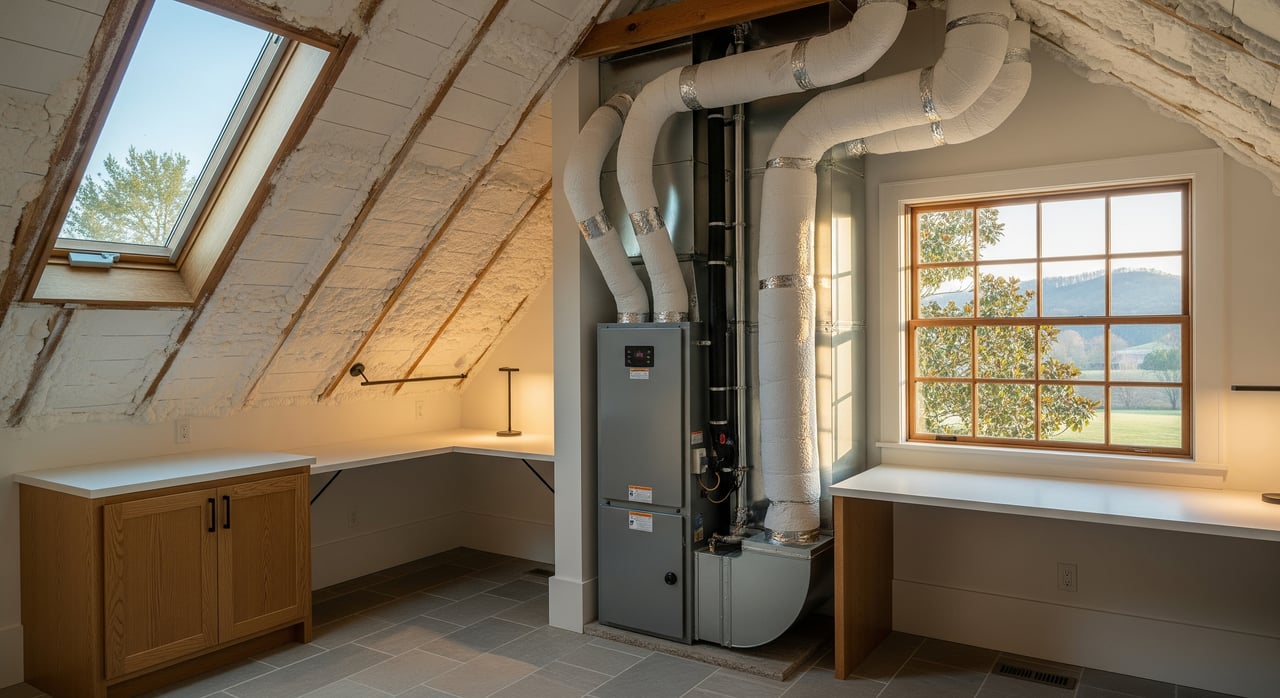
Spring Hill Mixed-Humid Guide to Duct Sealing & Insulation
October 16, 2025
October 16, 2025
Sticky summer air is part of life in Spring Hill, but it should not follow you inside. If your vents sweat, rooms feel clammy, or your AC runs nonstop, you are likely battling humidity sneaking in through leaky ducts and a thin building envelope. You want a comfortable home that also shows well and runs efficiently.
In this guide, you will learn practical duct and insulation moves that fit Spring Hill’s climate, how to tap local rebates, and what to do first for the biggest impact. You will also see how these upgrades support long-term value if you plan to sell. Let’s dive in.
Spring Hill sits in a humid subtropical zone with warm, muggy summers and average highs in the upper 80s. Dew points often land in the mid to upper 60s, which makes indoor moisture control essential for comfort and air quality. Local climate data backs up what you feel each July and August.
The EPA advises keeping indoor relative humidity around 30 to 50 percent to reduce mold, dust mites, and musty odors. In our climate, you usually need a mix of duct fixes, air sealing, insulation, and sometimes active dehumidification to stay in this range. See the EPA’s guidance on healthy indoor air and humidity targets here.
Leaky or uninsulated ducts make humidity worse by pulling moist air from attics or crawlspaces into your system and by dumping cooled air into hot, unfinished areas. That means longer runtimes, uneven rooms, and poor dehumidification. ENERGY STAR explains the comfort and efficiency losses from leaky ducts.
ENERGY STAR’s duct guidance recommends sealing first because it improves both efficiency and dehumidification.
Plan a broad range for duct sealing depending on size and access. National averages often run from hundreds to a few thousand dollars. Consumer guides show typical ranges and methods in their cost breakdowns, which helps with planning and quotes. See Angi’s overview of duct sealing pricing here.
Many Spring Hill homeowners can offset costs with TVA EnergyRight rebates when using a Quality Contractor Network provider. Duct system rebates are listed on the TVA program site here. Duck River EMC members can also request a free in-home energy evaluation to identify duct and insulation opportunities.
Insulation works best when paired with airtightness. Air sealing limits how much warm, humid air reaches cool interior surfaces. That reduces condensation risk and helps your AC dehumidify more effectively. The DOE outlines why air sealing and insulation go hand in hand here.
Recommended R-values vary by climate zone and assembly type. Many Tennessee homes benefit from high attic R-values, and air sealing improves results. Check current local code and work with a qualified contractor to confirm targets for your project. The DOE’s insulation and air sealing overview is a good starting point here.
Rebates can help here as well. TVA EnergyRight lists attic insulation and air sealing incentives here.
Air conditioners remove moisture only while they run. Oversized or short-cycling systems cool fast but may not dehumidify well. Tight ducts and a sealed, insulated envelope help your system run longer, steadier cycles that pull more moisture from the air. See ENERGY STAR’s duct guidance on why this order of operations matters.
If indoor humidity still sits above 50 percent after duct and envelope work, consider a whole-house or crawlspace dehumidifier. The EPA notes that mechanical dehumidification can be necessary to maintain healthy humidity levels in humid climates. Learn more in the EPA’s indoor air guide here.
After work is complete, confirm results:
These steps protect your investment and support rebate paperwork if needed.
Before major HVAC or duct changes, contact the City of Spring Hill Building Codes and Inspections to confirm permit requirements and the adopted code version. Start here for details on permits and inspections here.
To qualify for TVA rebates, hire a TVA EnergyRight Quality Contractor Network provider and keep all reports and invoices. Duck River EMC members can request a free in-home energy evaluation to map out duct and insulation priorities. Program details for duct rebates are available here, and Duck River EMC’s evaluation request page is here.
Moisture issues show up in buyer walk-throughs as musty odors, sweating vents, and uneven temperatures. Proactive duct sealing, attic air sealing, and crawlspace encapsulation create a drier, more comfortable home that photographs better, shows better, and signals strong maintenance. Keep your reports and testing data. They help buyers feel confident and can set your home apart in a competitive Spring Hill market.
Ready to make smart, market-savvy upgrades before you list or while you search for your next home? Reach out to Stephanie Sexton to align your improvement plan with your real estate goals in Spring Hill and greater Middle Tennessee.
Stay up to date on the latest real estate trends.









Renowned for her client-focused approach and steadfast commitment, Stephanie distinguishes herself as a top negotiator, always striving for mutually beneficial outcomes for all parties involved. Her expertise is particularly valuable in navigating the complexities from contract to close, ensuring her clients achieve their real estate objectives efficiently and effectively while getting the best value.