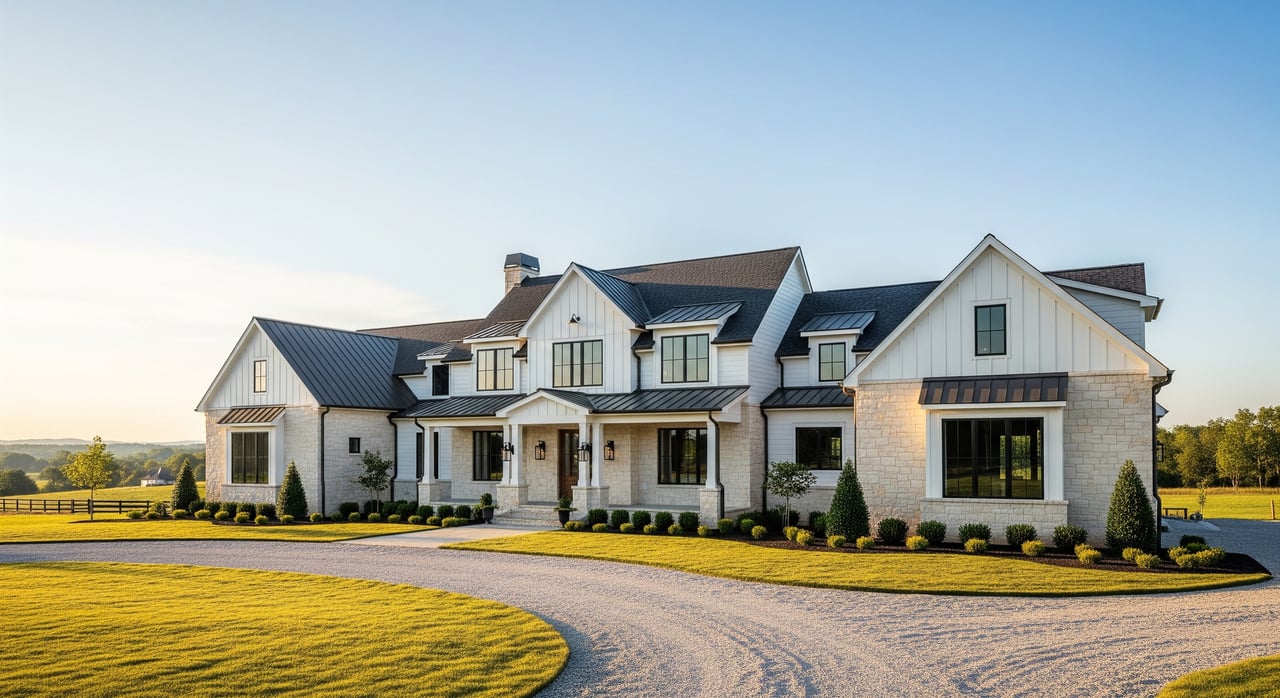
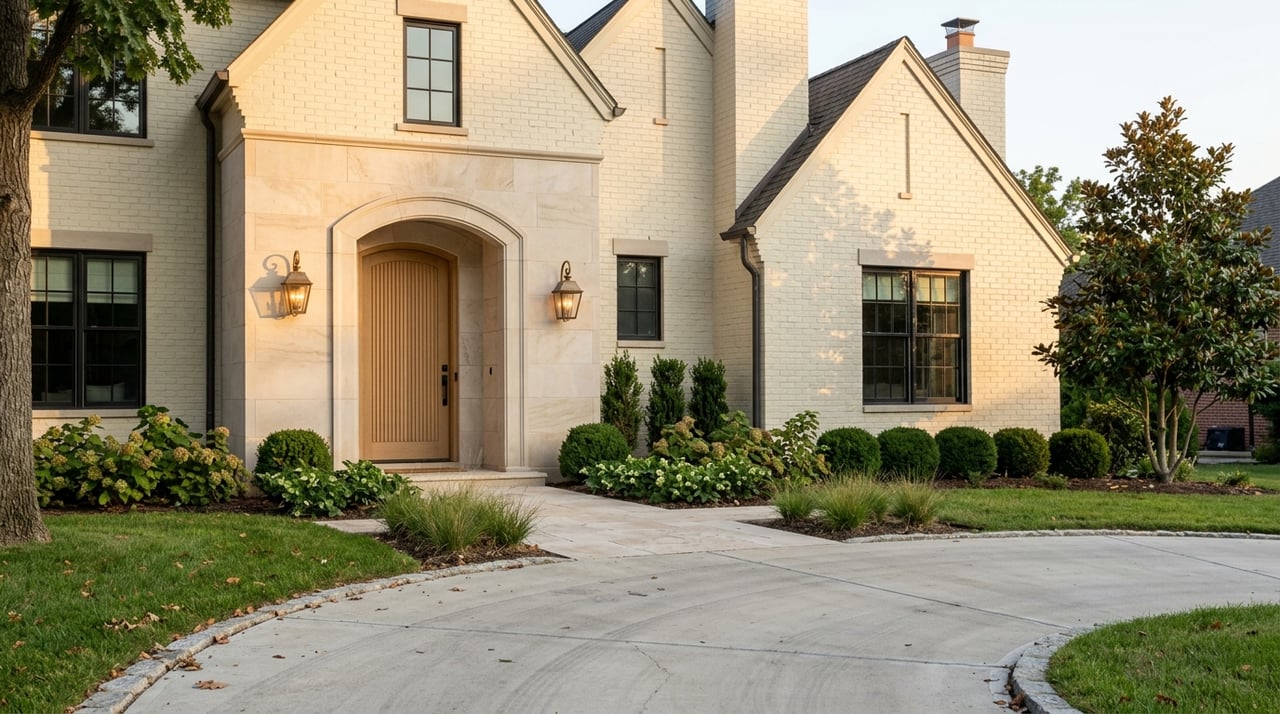
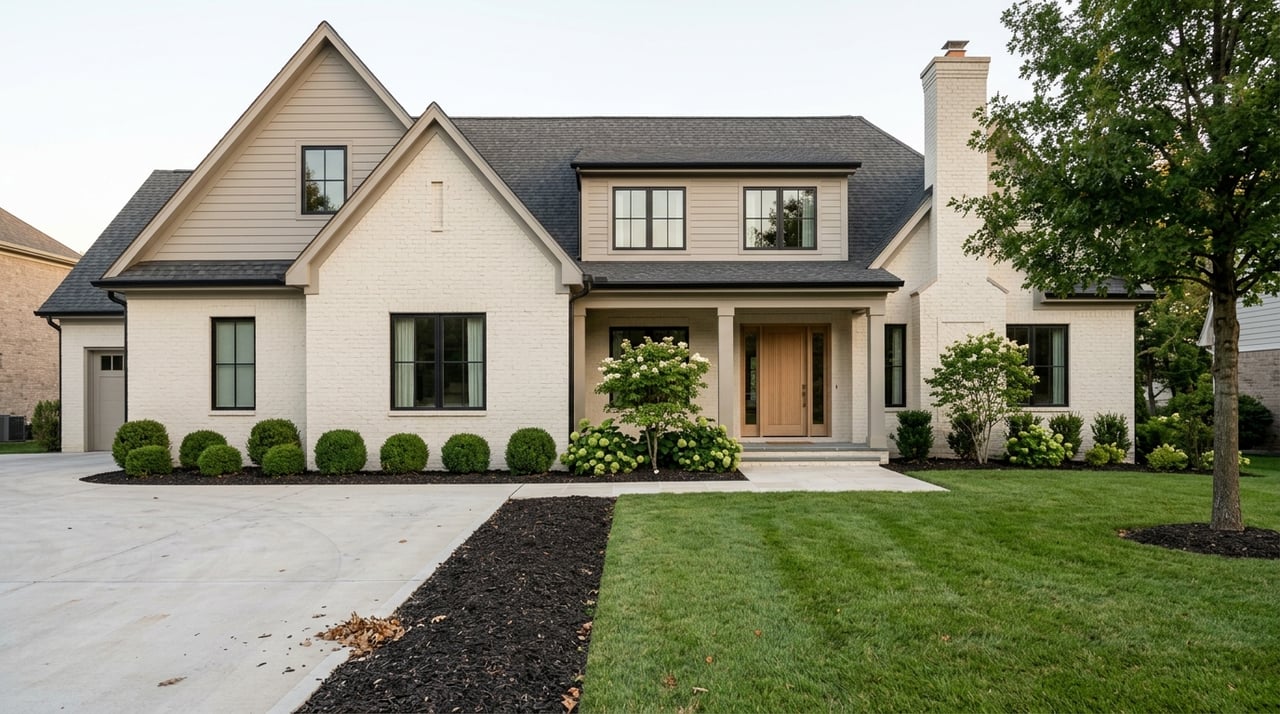
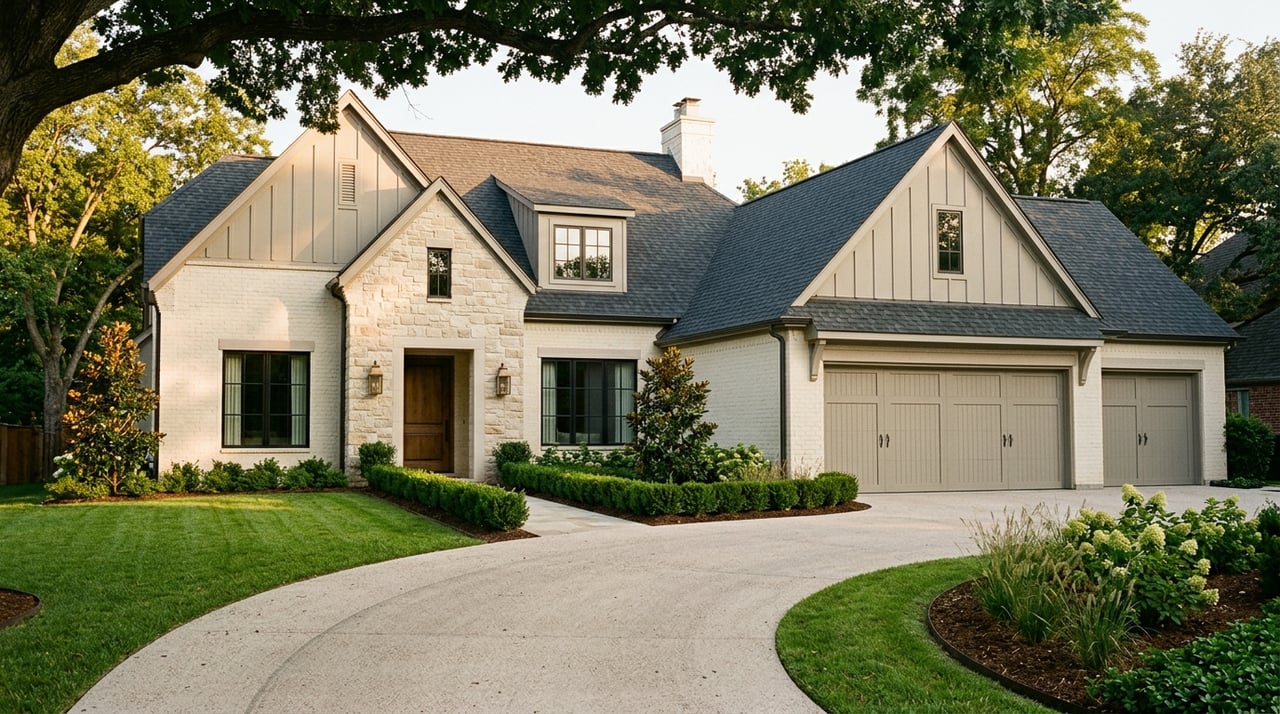
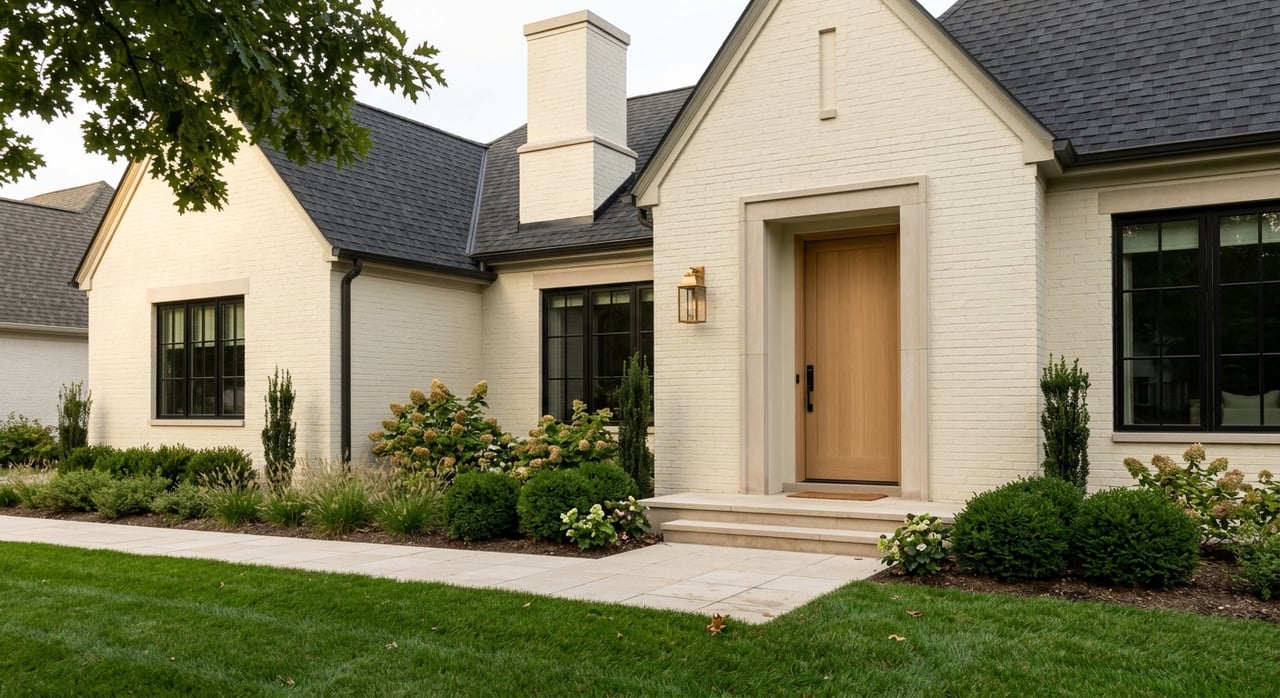
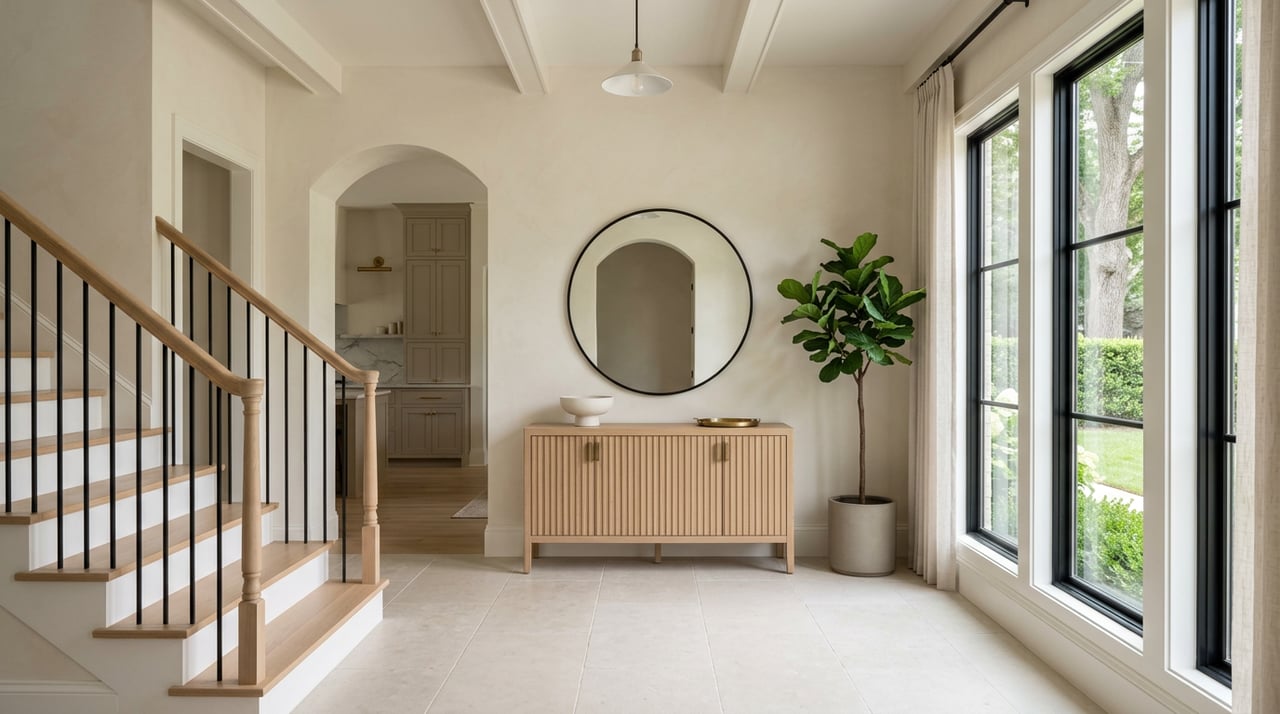
Thinking about building your dream home in one of Franklin’s luxury communities? You want the right lot, the right builder, and a smooth path from contract to closing without surprises. In this guide, you’ll get a clear, step-by-step plan tailored to Franklin and Williamson County, including builder choices, contracts, inspections, financing, and long-term considerations. Let’s dive in.
Choose your Franklin community and lot
Start with location. Many luxury buyers weigh proximity to downtown Franklin, commute times to Nashville, school zoning within Williamson County Schools, and community amenities like clubhouses, pools, trails, and private security. Walk model homes, visit at different times of day, and drive your commute to understand traffic patterns.
Evaluate each lot’s feasibility. Utility availability matters (public sewer versus septic) and can influence both design and cost. City of Franklin or Williamson County rules on building permits, stormwater, and floodplain can affect buildability and timelines. Ask about soils reports, drainage plans, and any tree or landscape requirements.
Review community rules early. Many luxury neighborhoods use Architectural Review Committees with specific design guidelines. Confirm exterior material requirements, height limits, and landscape standards to avoid redesigns later. Check HOA budgets, dues, amenity fees, special assessment history, and reserve funding to understand long-term costs and resale impact.
Pick the right builder type
Your builder choice sets expectations for design flexibility, schedule, and budget. Franklin offers a spectrum from high-end production builders to true custom firms.
Production builders
- What to expect: Set floor plans, model homes, curated upgrade packages, and predictable pricing.
- Pros: Often faster (about 6 to 9 months once permits and lot are ready) and lower cost per square foot compared to custom.
- Tradeoffs: Limited plan edits and truly bespoke finishes may be costly or unavailable.
Semi-custom builders
- What to expect: Base plans with meaningful customization and higher-tier finishes.
- Pros: Strong balance of personalization and cost control.
- Tradeoffs: Longer timelines than production and more exposure to upgrade and change-order costs.
Custom builders
- What to expect: Full architectural freedom with a highly collaborative process.
- Pros: Tailored design, premium materials, and the ability to optimize for unique lots.
- Tradeoffs: Longer schedules (often 12 to 24 months or more) and higher budgets with greater exposure to material and labor changes.
If you prioritize speed and predictability, a top-tier production or semi-custom route can work well. If you have a specific vision, complex site, or premium system needs, custom may be worth the timeline.
Understand contracts and pricing
Know what you’re signing and how costs are controlled.
- Spec or move-in-ready contracts: You buy a finished or near-finished home with a defined price and limited design input.
- Lot plus build contracts: You purchase a lot and sign a separate build contract. Pricing includes lot premiums, base house cost, allowances, and site work.
- Turnkey fixed-price: One guaranteed price for a defined scope with limited change-order exposure when properly drafted.
- Cost-plus or GMP: You pay actual costs plus the builder’s fee, sometimes with a guaranteed maximum. This offers transparency but demands diligent oversight.
Build in protections. Ask for clear completion dates, milestone schedules, and remedies if deadlines slip. Require a detailed allowances list with selection deadlines and rules for overages. Clarify how change orders are priced and paid. Confirm lien waiver procedures to protect you from subcontractor claims. Review dispute resolution clauses and venue details, and consider attorney review.
Remember representation. Builder sales agents represent the builder. You should have your own agent and, when helpful, an attorney. Confirm in writing how agent commissions or incentives apply.
Plan your budget and financing
Luxury new construction often requires financing that matches your build timeline and price point.
- Construction-to-permanent (single-close): One loan that funds draws during construction and converts to a mortgage at completion. This reduces refinance risk.
- Construction-only (two-close): A separate construction loan that you pay off with a new mortgage when the home is complete.
- Jumbo loans: Common at luxury price points, with tighter underwriting and larger down payments.
- Builder incentives: Some builders offer rate buydowns, closing cost help, or upgrade credits. Evaluate the net benefit and confirm terms in writing.
Choose a lender experienced in construction and jumbo loans. Expect to provide plans, specs, the signed contract, and the draw schedule. Align your financing timeline with permitting and pre-construction so funds are ready when needed.
Map the construction timeline and inspections
Set realistic expectations and plan independent quality checks.
- Pre-construction and site prep: Permits, utility planning, grading, and scheduling. Timing varies with permit queues and complexity.
- Foundation and underground: Soils testing, footings, slab or basement work, and pre-pour inspections.
- Framing and shell: Structure goes up, giving you a feel for layout, light, and views.
- Rough-ins: Electrical, plumbing, and HVAC with municipal inspections at this stage.
- Insulation and drywall: Thermal, acoustic, and fire-rating checks.
- Finishes: Cabinets, millwork, flooring, and paint, which depend on early selections and lead times.
- Final systems testing and punch list: Commissioning of mechanicals and final inspections for a Certificate of Occupancy.
Typical durations vary. Production builds often run 6 to 9 months after the slab is poured, semi-custom 8 to 14 months, and custom 12 to 24 months or more. Weather, labor, material lead times, and change orders can add time. Site-specific factors like rock removal, soil issues, or drainage mitigation can also affect schedules and costs.
Plan third-party inspections. Independent inspections at pre-pour, framing, pre-drywall, and final walk-through help verify quality. For complex luxury systems, consider specialty reviews for structure, roof, HVAC performance, or energy efficiency. Independent commissioning for multi-zone HVAC and smart systems is a smart move.
Manage selections and quality
Selections drive both the look and the schedule. Ask for a written selections calendar with deadlines and lead times. Lock in high-impact items early, such as windows, exterior materials, plumbing fixtures, appliances, and lighting.
Clarify who oversees quality control and how punch-list items are tracked and resolved. Document site visits and decisions in writing. Keep a running log of questions, approvals, and changes to reduce miscommunication.
HOA, ARC, and long-term costs
Understand the full cost of living in your chosen community. HOA dues, amenity fees, and reserve health affect monthly carrying costs and resale value. Review the HOA budget, reserve study, bylaws, and Covenants, Conditions and Restrictions before you commit.
If the neighborhood has an Architectural Review Committee, confirm design standards and approval timelines. Ask whether future phases, amenities, or road work are planned and how they will be funded and scheduled.
Closing, warranties, and post-close
Before closing, confirm that municipal inspections are complete and a Certificate of Occupancy has been issued. Collect final plans and specs, warranty documents, appliance and systems manuals, surveys, plot plans, and lien waivers.
Most builders follow a common warranty framework. Workmanship items are often covered for 1 year, systems like plumbing, electrical, and HVAC for 2 years, and major structural elements for up to 10 years through third-party programs. Confirm how to submit claims, response times, and whether warranties transfer upon resale.
After move-in, follow the builder’s maintenance schedule and keep records of service calls. Plan a follow-up inspection at 6 to 12 months to address any settling or warranty items.
Step-by-step checklists
Due diligence before you sign
- Verify utilities, sewer versus septic, and any floodplain or drainage constraints.
- Request soils or geotechnical information and site plans.
- Review HOA CCRs, bylaws, budget, reserve study, and ARC design guidelines.
- Ask for builder references, recent completed addresses, and model homes to tour.
- Request sample contracts, warranties, and a selections schedule with allowances.
Questions to ask your builder
- How long have you built in Franklin or this community, and can you share references?
- What warranty coverage is provided and by whom (1-year, 2-year, 10-year components)?
- What is the construction timeline and what remedies apply if key dates are missed?
- What is included in the base price versus upgrades, and how are allowances set?
- How are change orders priced, approved, and paid, and what are the lead times?
- Are independent inspections allowed at milestones, and will you provide lien waivers at closing?
- Who manages the job on-site and how often can I visit?
- What community phases or amenities are planned, and what are the timelines and funding?
Questions for your agent or attorney
- Can you review delay, liquidated damages, and arbitration or mediation clauses?
- Do the HOA rules or ARC guidelines limit future modifications I might want?
- How are commissions or incentives structured and documented for my benefit?
Closing and possession checklist
- Confirm Certificate of Occupancy and passed municipal inspections.
- Transfer utilities and collect all warranty registrations and manuals.
- Complete a detailed final walk-through and sign a punch list with timelines.
- Obtain final plans, as-built specs, survey, plot plan, and lien waivers.
Common mistakes to avoid
- Waiting too long to make selections, causing delays and rush orders.
- Skipping independent inspections and relying only on municipal checks.
- Overlooking HOA rules or ARC requirements before making design choices.
- Ignoring escalation clauses and allowances that can lead to overages.
- Assuming the builder’s sales agent represents your interests.
Franklin-specific insights
- Permits and inspections are administered by the City of Franklin or Williamson County depending on your parcel. This determines your process and timeline.
- Infill or historic areas near downtown Franklin can have design restrictions and architectural review. Plan extra time if you are considering an infill purchase or custom build nearby.
- Commute patterns into Nashville vary by time of day and major routes. Test your drive during peak hours to set expectations.
- Ask about the neighborhood buildout timeline and any adjacent planned development. Early awareness helps you plan around construction activity and future traffic.
- Review Williamson County property tax assessments and how they may change after completion, especially if you start from a vacant lot.
Ready to design a clear path to your new luxury home in Franklin? If you want expert guidance on communities, builders, contracts, and timelines, connect with Stephanie Sexton to Schedule a Personalized Consultation.
FAQs
What should I know before choosing a lot in a Franklin luxury community?
- Confirm utilities, floodplain status, soils information, HOA rules, and ARC design guidelines before you sign. These factors affect cost, design options, and timeline.
How long does luxury new construction usually take in Franklin?
- Production builds commonly take about 6 to 9 months after slab pour, semi-custom 8 to 14 months, and custom 12 to 24 months or more, depending on site and selections.
Do I need my own agent if the builder has a sales office?
- Yes. The builder’s sales agent represents the builder. Having your own agent helps with negotiation, contract protections, selections, and coordination through closing.
What contract type limits my cost risk the most?
- A well-drafted turnkey fixed-price contract limits exposure to change orders. Cost-plus with a guaranteed maximum can also work with tight scopes and oversight.
Which inspections are most important for a new luxury home?
- Independent inspections at pre-pour, framing, pre-drywall, and final walk-through are key. Consider specialty reviews and system commissioning for complex HVAC or smart home setups.
What warranties should I expect with a new Franklin home?
- Many builders follow a 1-year workmanship, 2-year systems, and up to 10-year structural warranty model. Confirm coverage, claim process, response times, and transfer rules.