Thinking about taking on an infill project in Nashville but unsure how to spot the right lot, navigate approvals, and bring product to market with confidence? You are not alone. Infill can deliver strong prices per unit, yet it also brings higher acquisition costs and site-specific surprises. In this guide, you will learn where to find viable lots, how to approach entitlements, what local buyers expect, and how to launch sales efficiently across Davidson County. Let’s dive in.
Why Nashville infill still pencils
Nashville continues to attract buyers who want newer, efficient homes close to jobs, entertainment, and services. Central land is limited, which keeps demand for infill strong relative to many metros. You see younger professionals, some downsizers, and select households seeking newer construction near established amenities driving this demand. Local data sources such as Greater Nashville Realtors market reports and U.S. Census QuickFacts can help you track trends, pricing, and population growth.
What this means for your underwriting is simple. Location and convenience support pricing power, but you must model higher acquisition, demolition, utility, and off-site improvement costs. Competitively analyzing recent neighborhood comps and absorption before paying a lot premium is essential.
Sourcing the right lot
Where to find opportunities
Strong pipelines usually mix on- and off-market strategies:
- MLS searches plus outreach through broker networks and “lot brokers.” Greater Nashville Realtors is a good hub for local data and contacts.
- Vacant or underutilized parcels, small assemblages, tear-downs, and probate properties.
- Public sales and county lists accessed via Metro Nashville resources.
- Relationships with neighborhood groups, nearby developers, and contractors who see potential sites early.
- Direct owner outreach with thoughtful letters and follow-ups.
Due diligence checklist
Confirm the fundamentals before you go hard on a contract:
- Zoning, setbacks, and allowed density.
- Historic or design overlays that trigger additional review.
- Lot splits or consolidation feasibility and recorded plats.
- Utility locations and capacity, including tap fees and connection points.
- Stormwater and drainage constraints, including detention needs or floodplain proximity.
- Tree protection and potential mitigation fees.
- Easements, access, and right-of-way requirements.
- Soil conditions, topography, and geotechnical needs.
- Required sidewalks, curb cuts, or off-site improvements.
- Title exceptions, liens, and chain-of-title clarity.
Tie your feasibility to clear milestones in the contract. Budget a contingency for unknown site work because small urban lots often hide costs.
Financial considerations
Your pro forma should account for demolition, hazardous-material remediation, tap and impact fees, right-of-way work, stormwater measures, and potential assemblage premiums. Some lenders are conservative with small-lot urban construction, so confirm your financing partner supports your lot type and project scope. When needed, consider short-term acquisition capital or a JV structure to secure competitive sites.
Entitlements and approvals in Davidson County
Typical steps
Entitlements for infill vary by site, but a common sequence looks like this:
- Verify zoning and permitted uses, including density.
- Complete platting, a lot split, or consolidation if required.
- Secure site plan review for stormwater, grading, and utilities.
- Complete design review if inside historic or design overlay areas.
- Submit building permits and trade permits through the Codes Department.
- Schedule inspections and obtain the Certificate of Occupancy.
Early engagement with the Metro Nashville Planning Department and the Codes and Permit Center helps prevent surprises. Pre-application meetings are often worth the time.
Common constraints
Expect the following issues to shape schedules and budgets:
- Historic overlays and conservation districts that require additional review for demolition and exteriors.
- Public right-of-way improvements, such as sidewalks along urban corridors.
- Tree protection rules that affect layout or generate mitigation costs.
- Stormwater requirements that add detention or off-site measures.
- Utility connection locations and capacity that drive cost and timing.
Timing to plan for
Smaller projects can move in weeks once plans are ready, but recorded plats, rezonings, or design reviews can add months. A basic infill single-family build from acquisition to CO often ranges from roughly 9 to 18 months. Complex sites or overlays can extend to 18 to 24 months or longer. Verify current timelines with Metro before you commit to a schedule.
Strategies to reduce risk
- Use local civil engineers, land-use consultants, and attorneys who know Metro processes.
- Schedule pre-application meetings to flag likely issues early.
- Stage approvals, such as finalizing plats or lot configurations before vertical permits.
- Standardize repeatable plans and details. Familiar designs can shorten review and inspection learning curves.
What to build for Nashville buyers
Product fit by context
Your lot and neighborhood will guide product type and pricing:
- Townhomes or rowhomes can maximize units per lot in denser areas and fit walkable contexts.
- Narrow-lot single-family homes appeal where detached character remains a priority and private yards matter.
- Duplex or small multiplex formats can be efficient on tight sites where zoning allows, with appeal to owner-occupants who want rental income.
- Accessory dwelling units may add value when permitted and aligned with neighborhood context.
Layout and finishes that sell
Local buyers tend to prioritize efficient floor plans and low-maintenance finishes. National trend resources such as NAHB and NAR, along with design insights from Houzz, support these preferences:
- Open living areas with a guest bath on the main level.
- Primary suite with a walk-in closet.
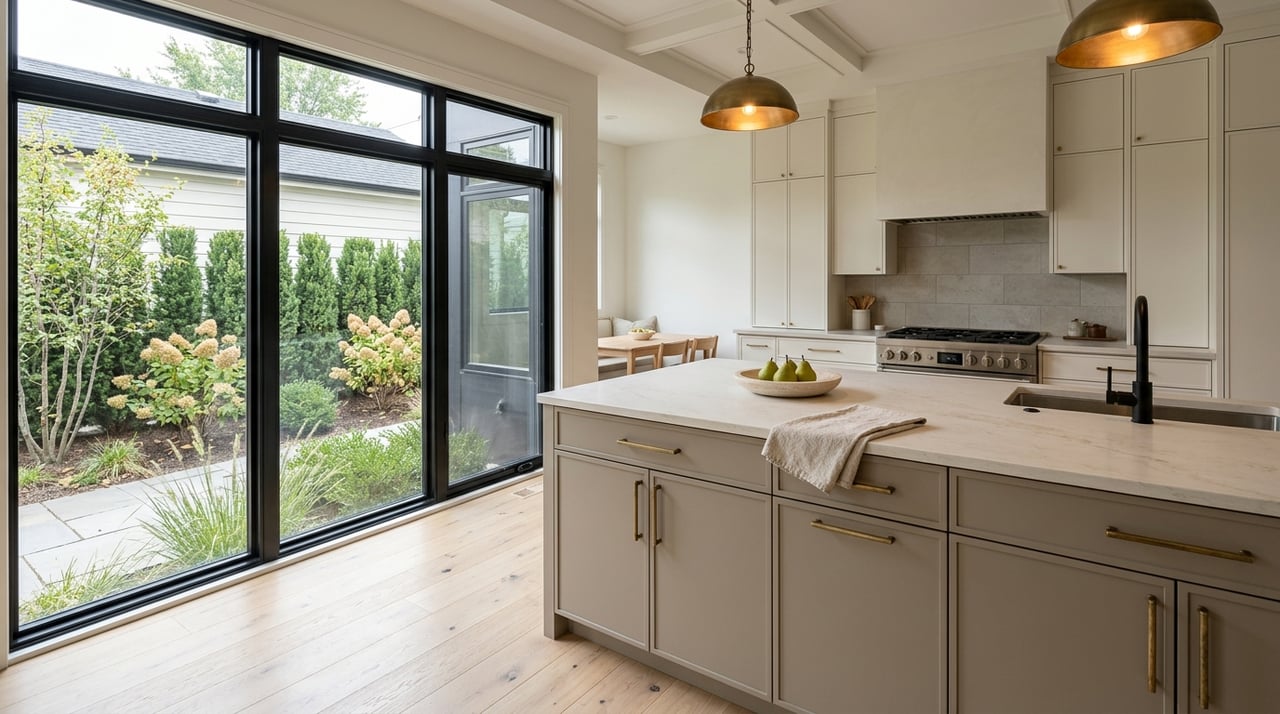
- Durable finishes like LVP flooring on living levels and quartz or engineered stone counters.
- Stainless appliances, gas ranges where available, tiled showers, and frameless glass when the budget allows.
- Energy efficiency, including high-efficiency HVAC, tankless or efficient water heaters, LED lighting, and smart thermostats.
- Functional storage, laundry rooms on the bedroom level for multi-story homes, and outdoor spaces such as decks or rooftop terraces.
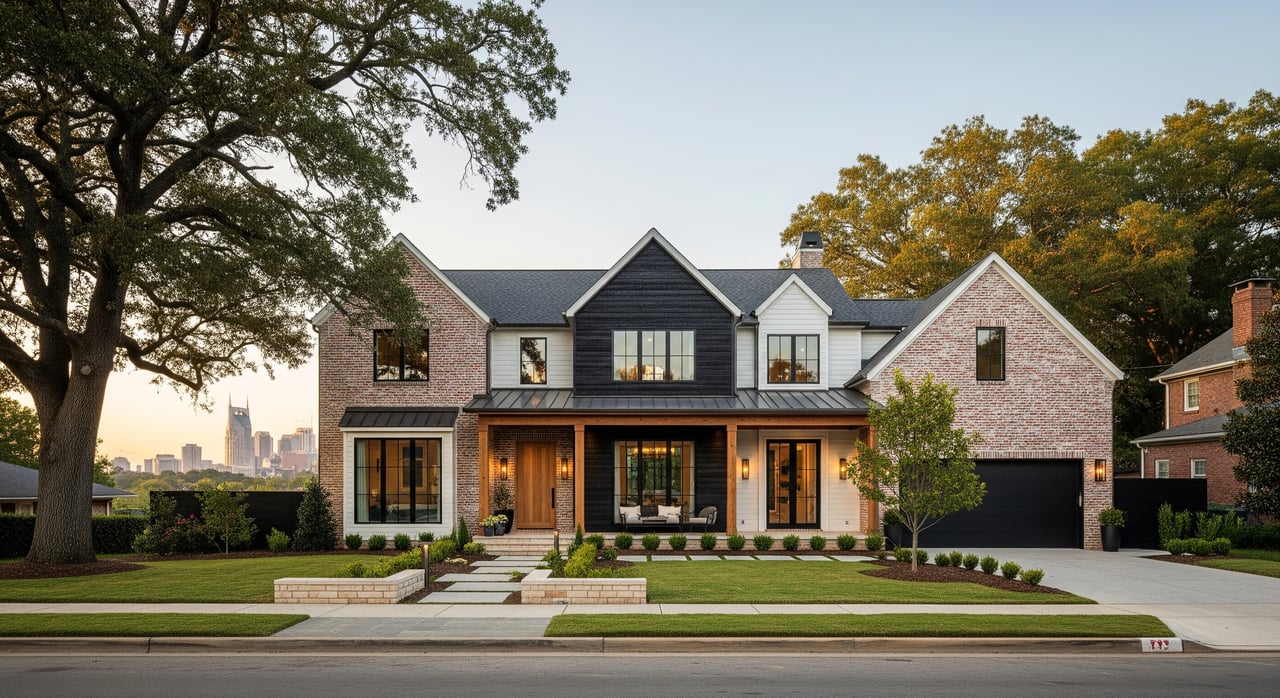
Keep exterior materials context-sensitive in established areas, especially near historic or design overlays. Parking is a trade-off in walkable locations. Many buyers accept limited off-street parking if location and finishes are strong, yet they still value smart storage for gear and bikes.
Options strategy that keeps builds on schedule
Offer a strong standard package and one or two upgrade paths. Simple, named bundles, such as Essentials, Elevate, and Designer, can speed decisions and reduce change-order risk. Standardized palettes for specs and models help with procurement and timelines.
Launch and sell-out plan
Pre-sales that reduce carrying cost
Pre-sales lower risk and can support construction financing. Work with your lender or JV partner to set a target for reservations or contracts before vertical construction gets far along. Use targeted outreach to local agents, neighborhood lists, and relocation channels. Keep messaging focused on location, low-maintenance living, and finishes that reflect buyer priorities.
Model and demonstration strategies
Choose a model strategy that matches your price point and speed to market:
- Full staged model when buyers expect a tactile experience and an upgrade showcase.
- A single spec home that doubles as a model and early inventory.
- A virtual or touch-and-feel center using a sales trailer with samples and digital tours when lot or timing limits a traditional model.
- A hybrid approach with a small off-site design studio and a staged spec.
Onsite sales leadership that converts
Dedicated on-site leadership keeps momentum and protects timelines:
- Onsite Sales Manager or Director manages leads, contracts, deposits, and handoffs to construction and closing.
- A Construction Liaison aligns buyer expectations with build realities, handles walk-throughs, change orders, and punch lists.
- A Design or Selections Consultant guides buyers through packages and lead times.
- A Marketing or Community Manager runs signage, digital presence, broker outreach, and events.
Centralizing these roles accelerates absorption and improves the buyer experience. Neighborhood-level pricing and absorption should be checked regularly through resources like Greater Nashville Realtors market reports, then adjusted quickly if traffic or conversion softens.
Pricing and incentives
Set initial pricing based on recent comps for similar product nearby. If absorption is slower than expected, consider limited-time incentives such as upgrade credits, rate buydowns through a preferred lender, or measured closing-cost contributions. Keep at least one spec that is move-in ready for buyers who need quick timelines, and rotate design palettes in specs to reflect the most requested finishes.
Timeline, cost drivers, and risk controls
Planning-level timelines
While every site differs, a practical planning range can be:
- Lot sourcing and due diligence for 30 to 120 days or more, depending on studies and negotiations.
- Platting or lot adjustments for 60 to 180 days or more based on municipal review cycles.
- Site prep and utility work for 30 to 120 days, driven by demolition and service availability.
- Vertical construction for about 4 to 9 months per home, depending on size and complexity.
- End-to-end from purchase to CO for a simple infill single-family often runs about 9 to 18 months, with complex or overlay sites extending longer.
Common cost drivers
Model your budget to include these line items early:
- Lot premium relative to greenfield sites.
- Demolition and hazardous-material remediation.
- Utility tap fees, extensions, and right-of-way work, verified with Nashville Water Services.
- Stormwater solutions, including detention.
- Tree mitigation and preservation requirements.
- Exterior materials influenced by design review.
- Buyer-driven change orders and upgrade package costs.
- Financing and carrying costs if timelines extend.
Key risks and how to mitigate them
- Entitlement delays from historic review or appeals. Mitigation: pre-application meetings and early community engagement.
- Unanticipated site conditions such as rock or contamination. Mitigation: geotechnical work and contingency.
- High holding costs from slow pre-sales or extended approvals. Mitigation: presale targets and proactive pricing adjustments.
- Supply chain variability. Mitigation: standardized palettes and pre-selected substitutes.
Pulling it all together
Infill in Nashville can deliver strong outcomes when you pair disciplined lot selection with early entitlement planning, standardized product, and a focused sales plan. Do the homework up front, stage approvals to control risk, and offer the finishes buyers expect within a streamlined options program. Then put dedicated on-site leadership in place to protect timelines, convert traffic, and maintain pricing power.
If you want a local partner who combines builder-facing sales leadership with a deep buyer network, connect with Stephanie Sexton. Schedule a Personalized Consultation to talk through your pipeline, launch plan, or model strategy in Davidson County.
FAQs
What is the first step to validate an infill lot in Nashville?
- Start with zoning verification and permitted uses, then confirm setbacks and density with the Metro Nashville Planning Department before ordering surveys and detailed studies.
How long does a typical infill project take from purchase to CO?
- A simple single-family infill build often runs about 9 to 18 months, with complex sites or overlay reviews extending to 18 to 24 months or more depending on approvals.
Which finishes are most expected by Nashville infill buyers today?
- Durable LVP flooring, quartz or engineered stone counters, stainless appliances, efficient HVAC and water heating, LED lighting, and modern neutral palettes are widely expected.
Do I need a model home to presell units?
- Not always. Many builders succeed with a staged spec plus virtual tools. Use a full model when price point and buyer expectations call for a hands-on showcase.
What approvals most commonly slow down infill timelines in Davidson County?
- Historic or design overlay reviews, stormwater approvals, and right-of-way improvements are frequent drivers of added time, especially in central neighborhoods.
How should I budget contingency for urban infill sites?
- Many builders allocate a higher site contingency, often 10 to 20 percent or more of site development costs, to cover demolition surprises, utility issues, and unforeseen conditions.