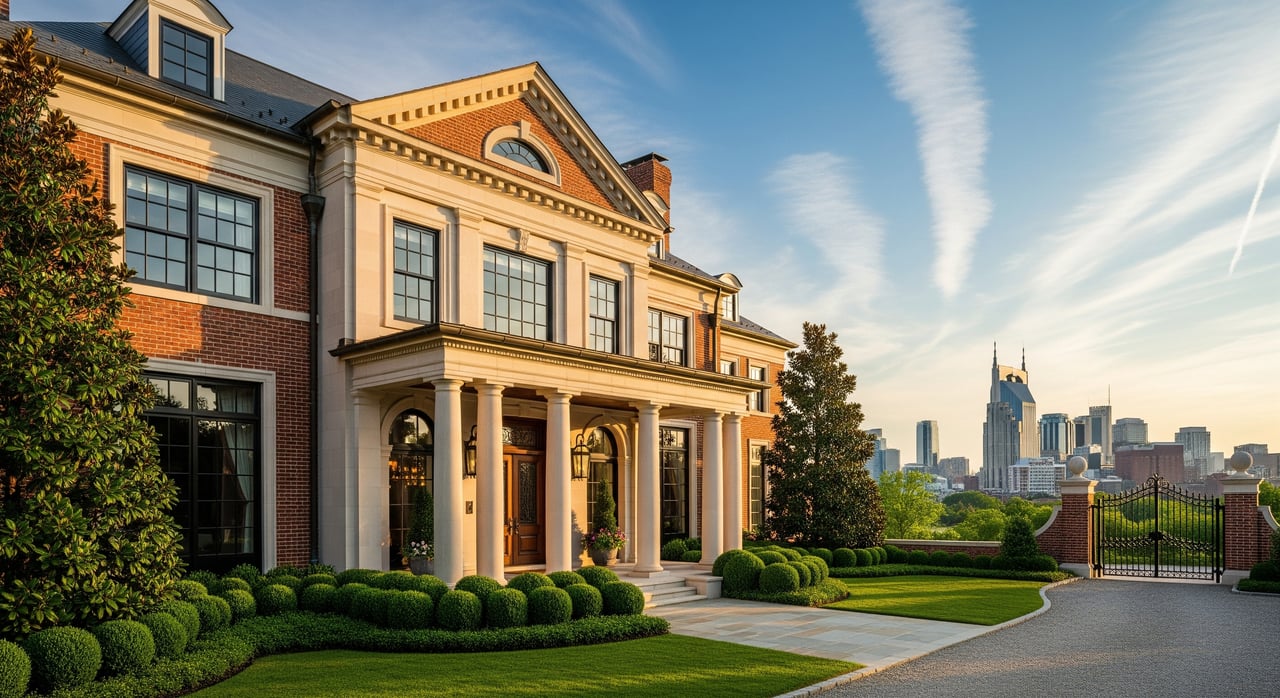
What Drives Price Per Square Foot in Nashville
December 4, 2025
December 4, 2025
Is price per square foot really the best way to judge a Nashville luxury home? It is a quick headline number, but in our market it can hide major drivers of value. If you are comparing estates in Belle Meade to infill new builds in 12South or a penthouse in The Gulch, the same PPSF can mean very different things. In this guide, you will learn what truly moves PPSF in Nashville, how to read comps like a pro, and how to make better decisions whether you are buying, selling, or building. Let’s dive in.
In the Nashville luxury segment, a few high‑impact features often drive value independently of heated square footage. Lot size and privacy, architectural pedigree, and amenity sets can shift buyer demand even when homes are similar in size. Low sales volume at the top end also means one or two unique sales can skew PPSF in a neighborhood. Always treat PPSF as a starting point, then layer on qualitative adjustments and recent local comps.
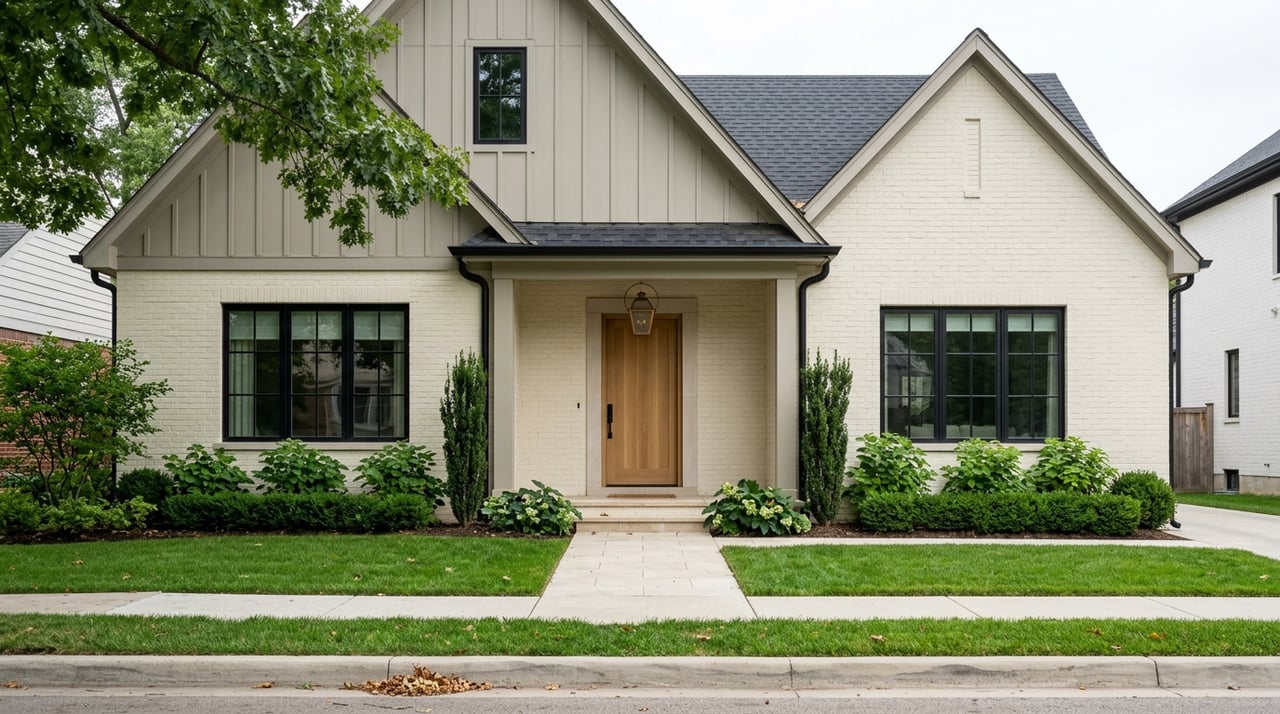
Neighborhood identity and proximity to lifestyle hubs have outsized effects on PPSF. Estate neighborhoods like Belle Meade and Forest Hills perform differently from inner‑ring luxury infill areas such as 12South, Germantown, or East Nashville, and differently again from vertical product in The Gulch and SoBro. The same home by size and finish can command very different PPSF across these micro‑markets due to scarcity, lot characteristics, and buyer profiles. When comping, stay within the same neighborhood when possible, or explicitly adjust for a neighborhood premium rather than relying on raw PPSF.
Two homes can share a zip code but live on very different streets. Private drives, setbacks, and view corridors can add real value. If you must widen your comp radius, match the street experience first, then compare size and finishes.
Acreage, usable yard, and privacy play a major role in luxury value. In estates, buyers may pay more for a flat, usable two‑acre lot with mature landscaping, even if the PPSF of the house looks lower on paper. In urban cores, smaller lots with prime walkability can support higher PPSF because land scarcity is baked into the number. To compare fairly, look at total price, PPSF, and a per‑acre or per‑buildable‑acre metric when acreage is in play.
For estates, review PPSF alongside price per lot acre, driveway access, and site improvements like retaining walls or drainage work. These items influence both desirability and long‑term ownership costs.
Custom architected homes and historically significant properties often command a premium because they are scarce and not easily replaced. High ceilings, thoughtful floor plan flow, and distinctive styles can draw buyers who are less sensitive to PPSF. Historic homes may earn a heritage premium for the right buyer, though some restrictions can limit changes and affect value. When a property has real architectural pedigree, compare it to similarly designed homes, not just the neighborhood average.
If your home is a modern glass statement or a true Georgian manor, select a small set of comps that share the concept and build quality. One or two well‑matched comps can be more helpful than a dozen size‑only matches.
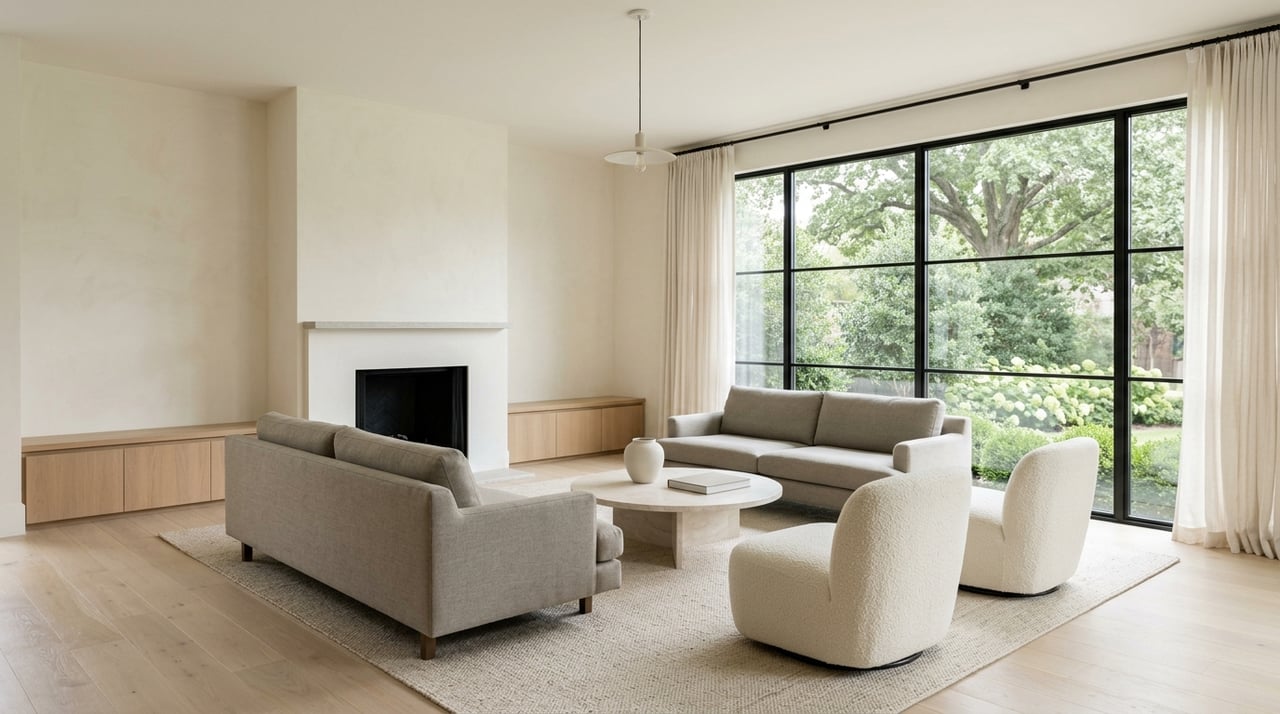
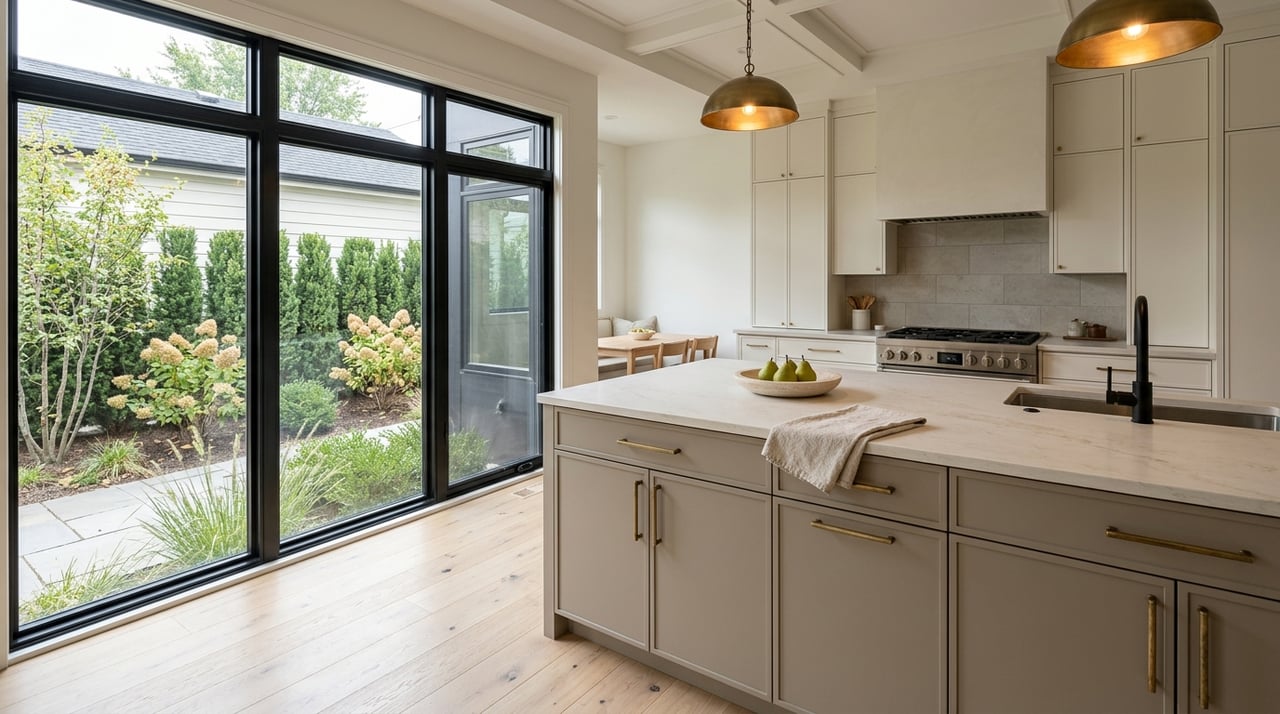
High‑end kitchens, spa‑level primary baths, wide‑plank hardwoods, and premium appliances increase buyer willingness to pay. Mechanical upgrades such as newer HVAC, energy‑efficient windows, smart home systems, and elevators also raise perceived value by reducing near‑term capital expenses. Buyers seeking turnkey lifestyles often accept higher PPSF in exchange for certainty. Create clear feature adjustments for kitchens, baths, flooring, and systems to normalize your comp set.
Note appliance package, stone selection, millwork quality, ceiling heights, and the age of roof, windows, and mechanicals. A simple checklist helps explain price differences beyond square footage.
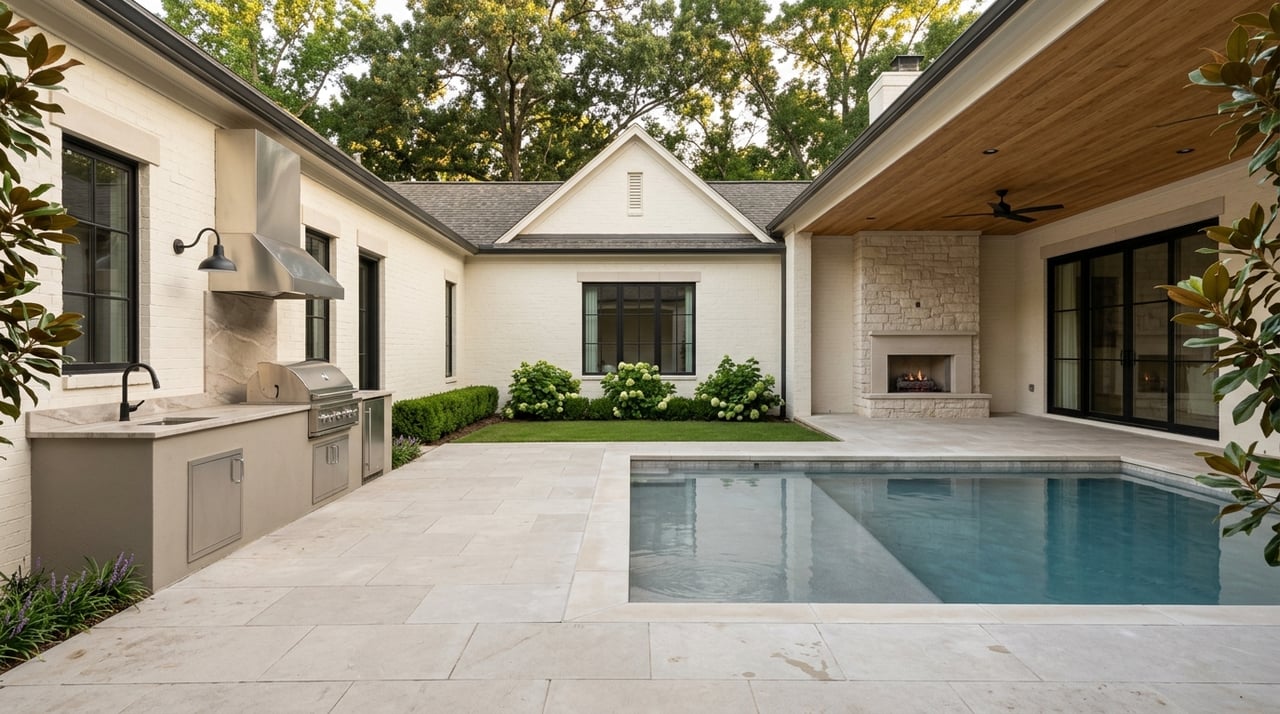
Pools, pool houses, guest suites or ADUs, outdoor kitchens, and landscaped terraces can push a home into a different buyer pool. These amenities add value that does not scale neatly with interior square footage, so PPSF can be misleading. A property with a well‑executed pool and motor court may justify a higher total price even if PPSF looks out of line with a less amenitized neighbor. If true amenity‑matched comps are scarce, estimate the market premium for each major amenity as a separate line item.
Group comps by lifestyle fit, such as entertainer homes, multi‑generational layouts, or equestrian‑friendly estates. Buyers shop by lifestyle first, then by size.
New builds typically command a premium because of modern layouts, current codes, energy efficiency, and warranty coverage. In many Nashville neighborhoods, scarcity of fresh custom product amplifies that premium. Older homes can outperform if they have architectural significance or exceptional location, but a dated floor plan or deferred maintenance will weigh on value. Do not treat new and older product as apples to apples without adjustments for floor plan, systems age, maintenance, and warranty benefits.
When comparing, itemize the value of new systems, modern primary suites, and flexible spaces like sculleries and bonus rooms. This clarifies why two similar‑size homes can carry very different PPSF.
Inventory levels, buyer demand at luxury price points, and jumbo financing availability all affect PPSF. In low‑inventory periods, turnkey homes see inflated PPSF and shorter days on market. Rising mortgage rates can compress prices and lengthen market times, which can skew PPSF when list reductions occur. Use very recent comps, ideally the last 30 to 120 days, and note whether each comp was cash or financed.
If the market is moving quickly, index or time‑adjust older comps to today’s conditions. This keeps pricing aligned with current buyer behavior.
Historic district guidelines, setback and height limits, ADU allowances, and subdivision potential all influence value. Flexible zoning or redevelopment potential can raise PPSF for investors and builders. Historic restrictions can temper some buyers’ willingness to pay, even when the aesthetics are appealing. Always verify local permitting and constraints before making comp adjustments tied to future development.
Before pricing a lot as a redevelopment opportunity, confirm allowable footprint, approvals required, and likely timelines. Time and soft costs matter in the final value equation.
Use a layered approach that balances neighborhood context with feature matching. Start with primary comps in the same neighborhood that mirror bedroom and bath count within the last 6 to 12 months. Then add nearby secondary comps with similar lot types or amenity sets and adjust for neighborhood premium. Finally, look for feature‑matched comps anywhere in the market that share your property’s signature elements.
PPSF should sit alongside other metrics, especially at the luxury level. For estates, pair PPSF with price per acre or price per buildable acre. For unique layouts, consider price per room or per bedroom. For homes with extraordinary volume or non‑habitable finished areas, think about an adjusted PPSF that accounts for ceiling heights and finished basements or garages. For condos, compare effective monthly carrying costs that include HOA dues, parking, amenities, and view premiums.
The better path depends on scope, time, risk tolerance, and neighborhood constraints. Cosmetic updates and kitchen or bath refreshes often deliver stronger resale impact than major structural additions, while full tear‑downs make sense when lot value far exceeds the existing structure or the floor plan is not salvageable. New construction usually wins on layout, efficiency, and predictability, while renovations can preserve character and shorten timelines if scope is modest. Always include soft costs such as design, permits, interim interest, insurance, and temporary housing when comparing net outcomes.
Imagine a 5,000 square foot home on two flat acres in Forest Hills with a pool, guesthouse, and mature trees. Its PPSF might look lower than a 4,500 square foot new build in The Gulch with panoramic views and full‑service amenities, yet the estate’s total price reflects land, privacy, and a lifestyle that appeals to a different buyer cohort. Both can be correctly priced for their micro‑markets. PPSF alone does not capture that separation.
If you are selling, lead with the features that drive your buyer’s lifestyle, not just your square footage. Clarify the lot story, architecture, amenity set, and system upgrades, then support with neighborhood‑right comps and recent market context. If you are buying, decide which elements are non‑negotiable and which can be added later, then judge value by how the home serves your life, not only by a single metric. When PPSF and qualitative factors align, you can move with confidence.
Ready to talk strategy tailored to your home or build plan? Connect with Stephanie Sexton for a data‑driven, high‑touch approach that blends luxury marketing with practical execution.
Stay up to date on the latest real estate trends.
Renowned for her client-focused approach and steadfast commitment, Stephanie distinguishes herself as a top negotiator, always striving for mutually beneficial outcomes for all parties involved. Her expertise is particularly valuable in navigating the complexities from contract to close, ensuring her clients achieve their real estate objectives efficiently and effectively while getting the best value.