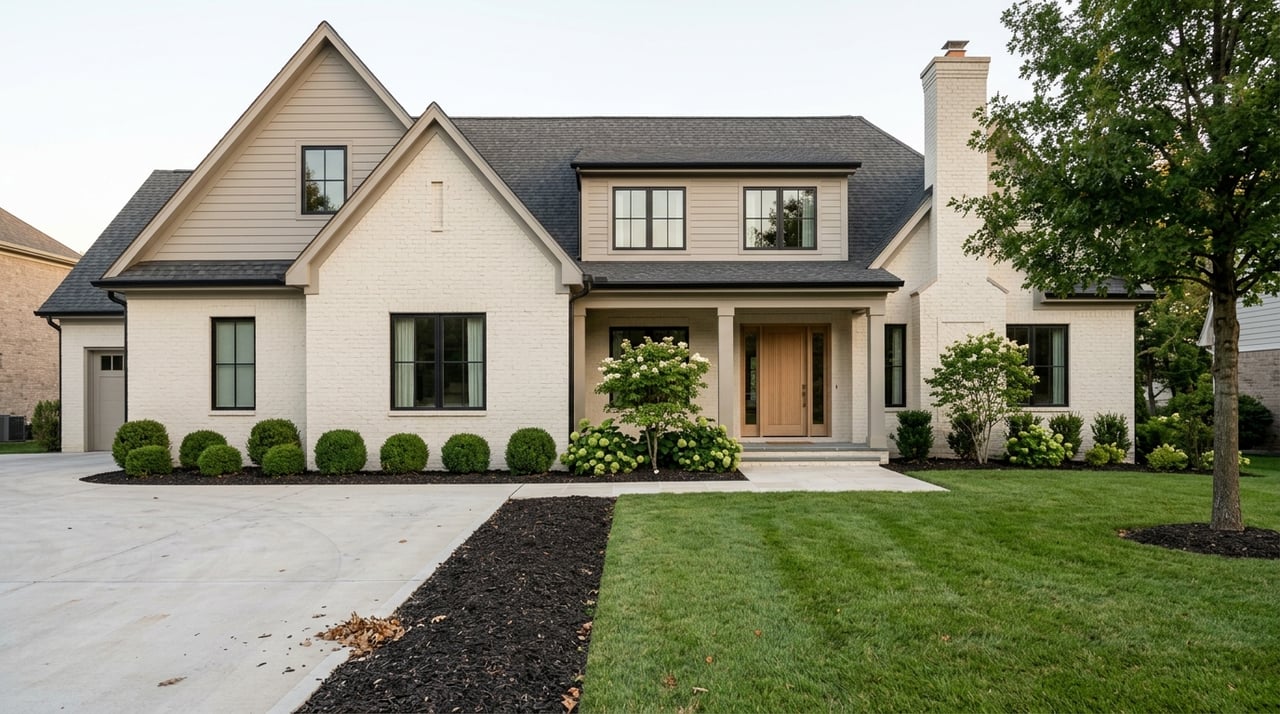
What Luxury New-Construction Buyers Want In Nashville
June 4, 2026
June 4, 2026
Luxury buyers in Nashville are not simply chasing square footage anymore. You want a home that feels elevated, works beautifully every day, and justifies its price through design, comfort, and long-term value. In a market where high-end buyers are patient and selective, knowing what stands out can help you make smarter decisions as you search, build, or customize. Let’s dive in.
Nashville’s luxury market remains active, but it is far from impulsive. Greater Nashville Realtors reported 112 sales at $4 million or more in 2025, with most of those closings in Williamson County, and those homes averaged 128 days on market.
That pace tells you something important. Buyers at the top of the market are comparing options carefully, paying close attention to finishes, floor plans, and amenities before they commit. Even standout properties can take time to sell, which means today’s luxury new-construction buyer expects clear value, not just a high price tag.
A beautiful home still has to live well. Across buyer-preference research, open and connected spaces continue to lead the way, especially around the kitchen, dining, and family room.
NAHB found that 85% of buyers wanted the kitchen open to the dining room, 79% wanted the kitchen open to the family room, and 70% wanted the dining room open to the family room. In practice, that means buyers are looking for homes that support both entertaining and everyday routines without feeling chopped up or overly formal.
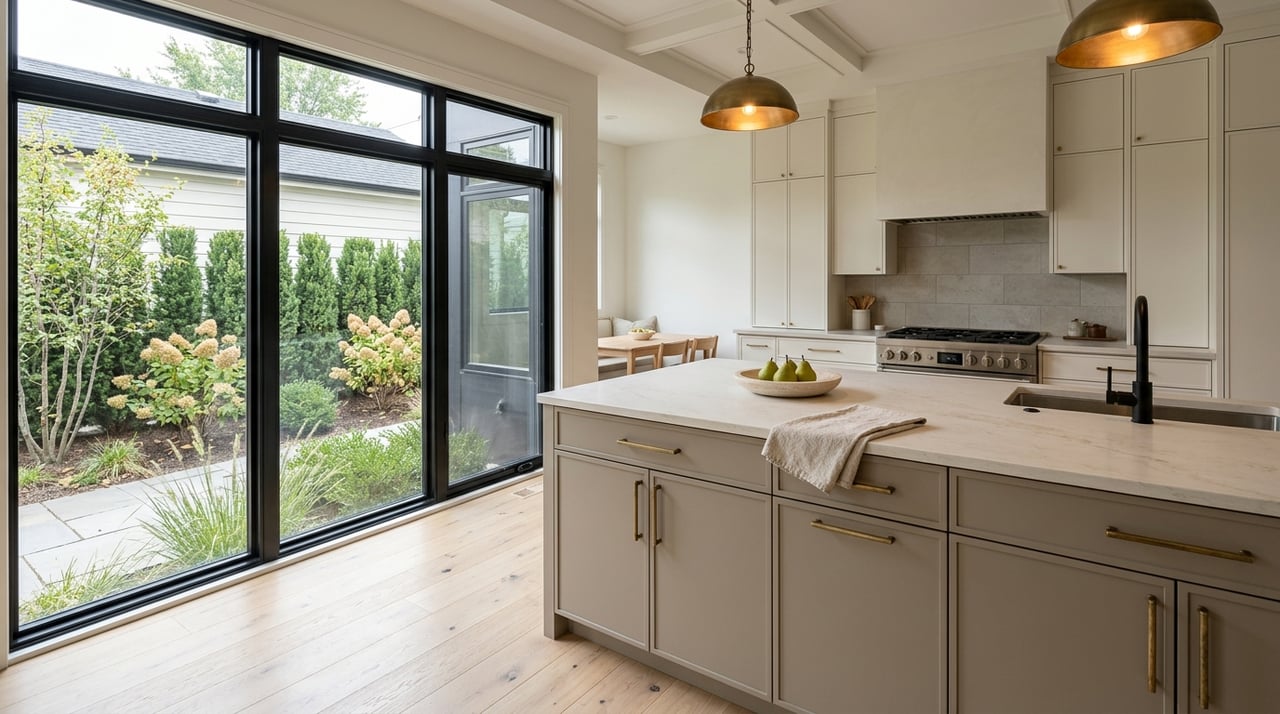
In Nashville luxury homes, open concept does not have to mean stark or plain. Buyers often respond best to layouts that feel airy and connected while still offering definition through ceiling treatments, millwork, lighting, and material changes.
That balance matters because luxury today is less about wasted space and more about thoughtful space. You are likely to see stronger buyer interest in homes where the main living areas flow naturally and feel comfortable for both quiet evenings and larger gatherings.
Luxury buyers also want rooms that can adapt. NAHB’s 2026 trends report shows that high-end buyers especially value home offices, more bedrooms and bathrooms, special kitchen storage, and flexible spaces like multipurpose rooms and drop zones.
That shift reflects real life. A room that can serve as an office, study area, second lounge, or wellness space often feels more useful than a formal room with a single purpose.
Convenience is a major theme in what buyers want. NAHB found that 63% of buyers prefer the washer and dryer on the first floor, and broader housing trends continue to show demand for practical, easy-to-live-in layouts.
For luxury buyers in Nashville, this often shows up as a main-level primary suite, first-floor guest suite, full bath on the main level, and laundry placed where it supports daily life. These choices make the home feel more comfortable now while also helping it adapt over time.
Luxury buyers are increasingly planning for changing household needs. NAR reported that 17% of buyers purchased multigenerational homes in 2024, a record high.
That trend helps explain why features like dual primary suites, en suite bedrooms, private entrances, and secondary kitchenettes are getting more attention. Even if you are not actively buying for multigenerational living today, a floor plan that offers privacy and flexibility can make the home more functional and more appealing in the future.
Open living remains popular, but privacy is still essential. Buyers want homes that create separate zones for guests, extended family, work, and rest without making the overall plan feel closed off.
This is one reason well-designed luxury homes often include split-bedroom layouts, private guest quarters, sound-conscious construction, and smart transitions between public and private areas. The goal is not just more rooms. It is better use of space.
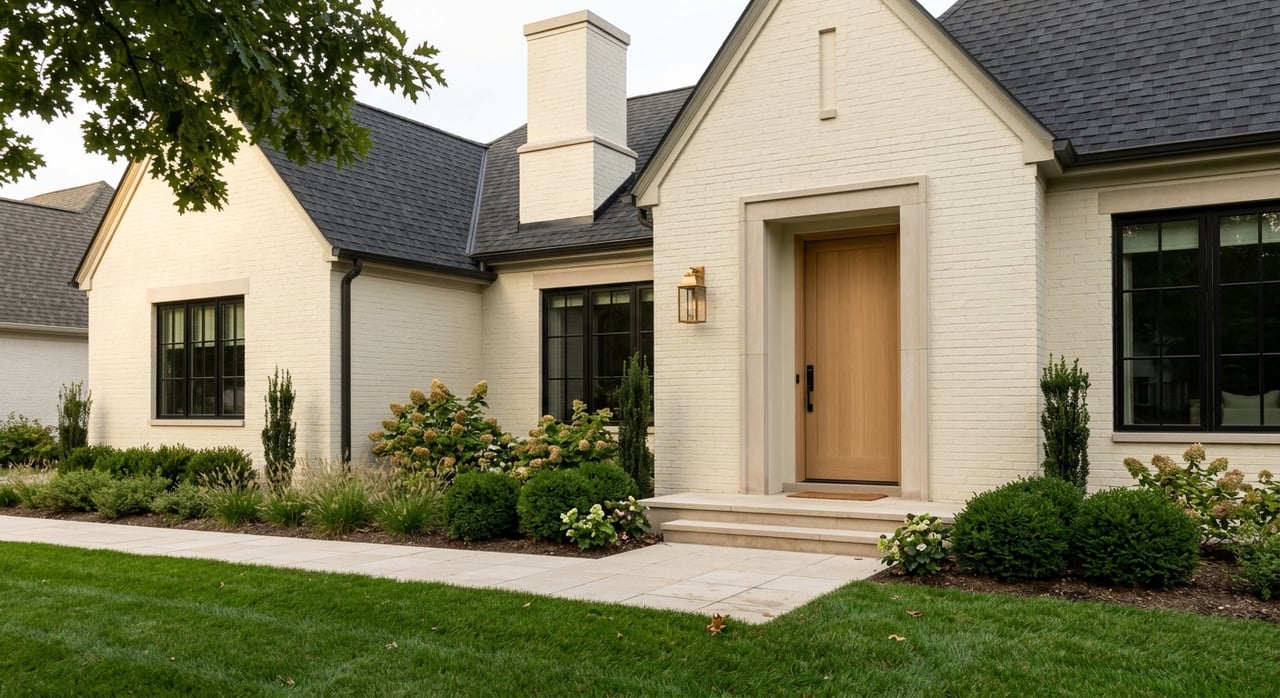
Style still matters, but the look buyers want has evolved. NAHB’s 2026 housing trends report says 57% of high-end buyers prefer contemporary exteriors, yet local Nashville design trends suggest the strongest response often comes from homes that feel warm, layered, and livable rather than cold or severe.
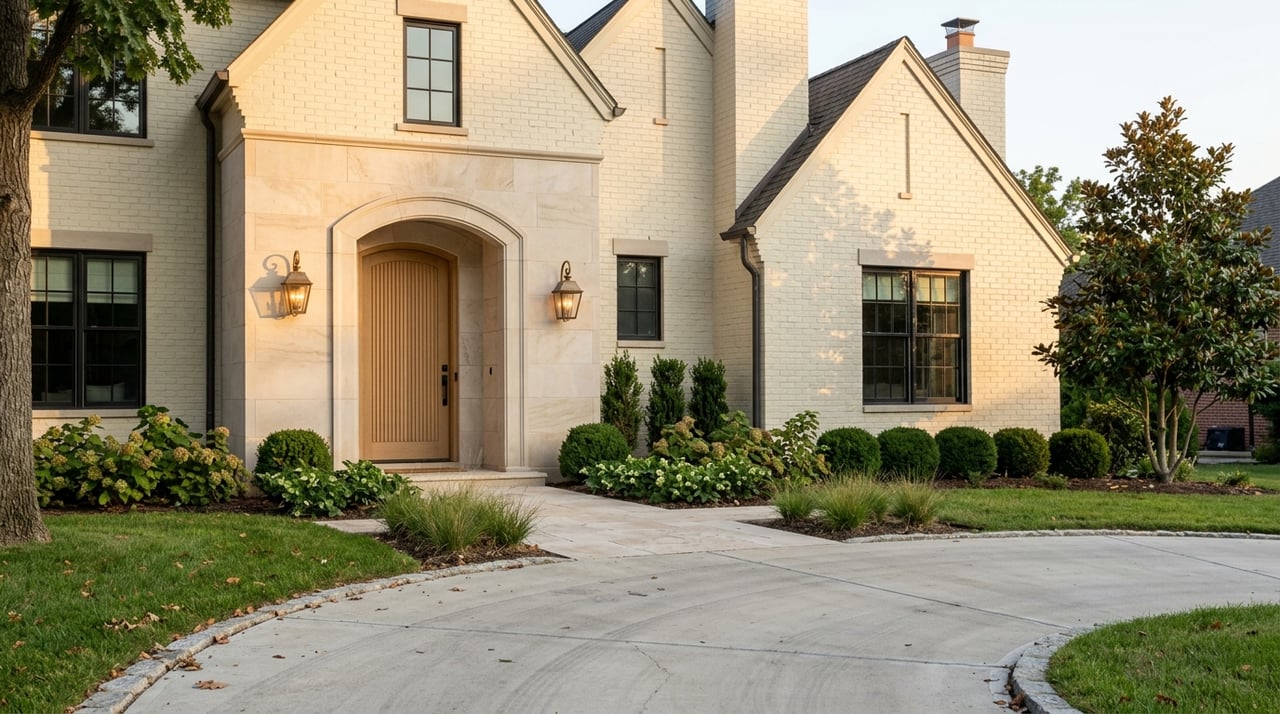
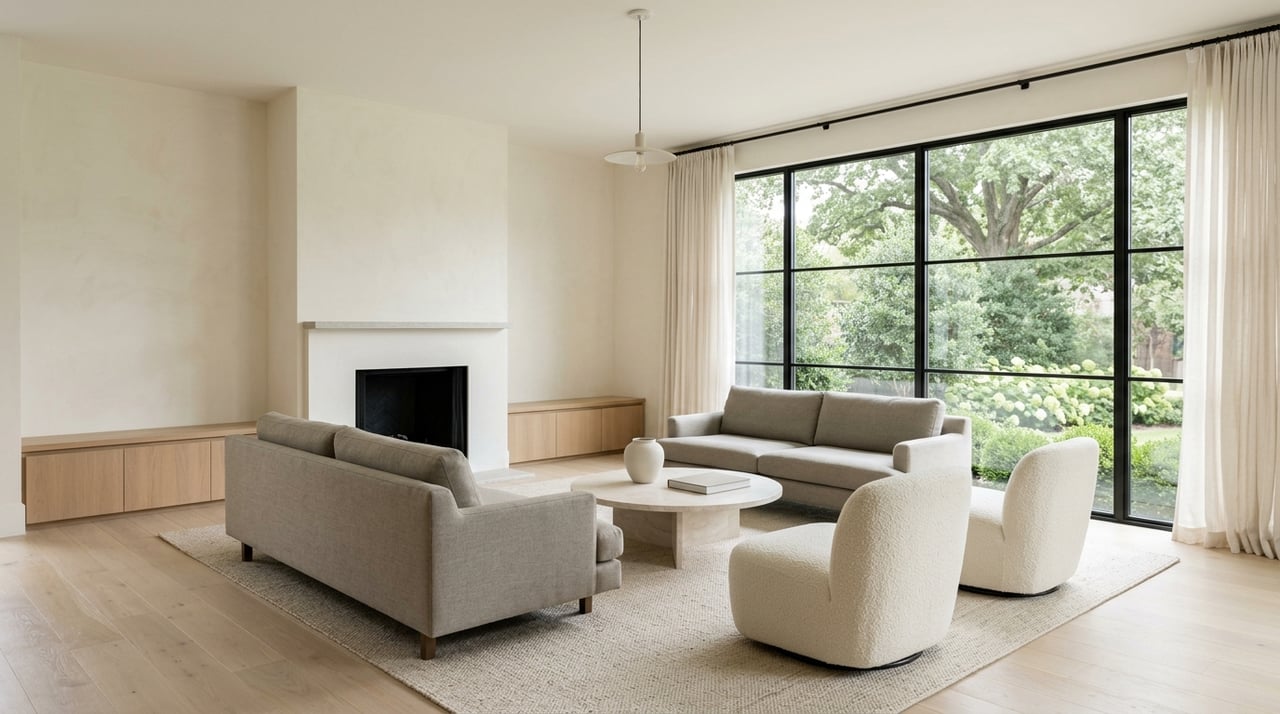
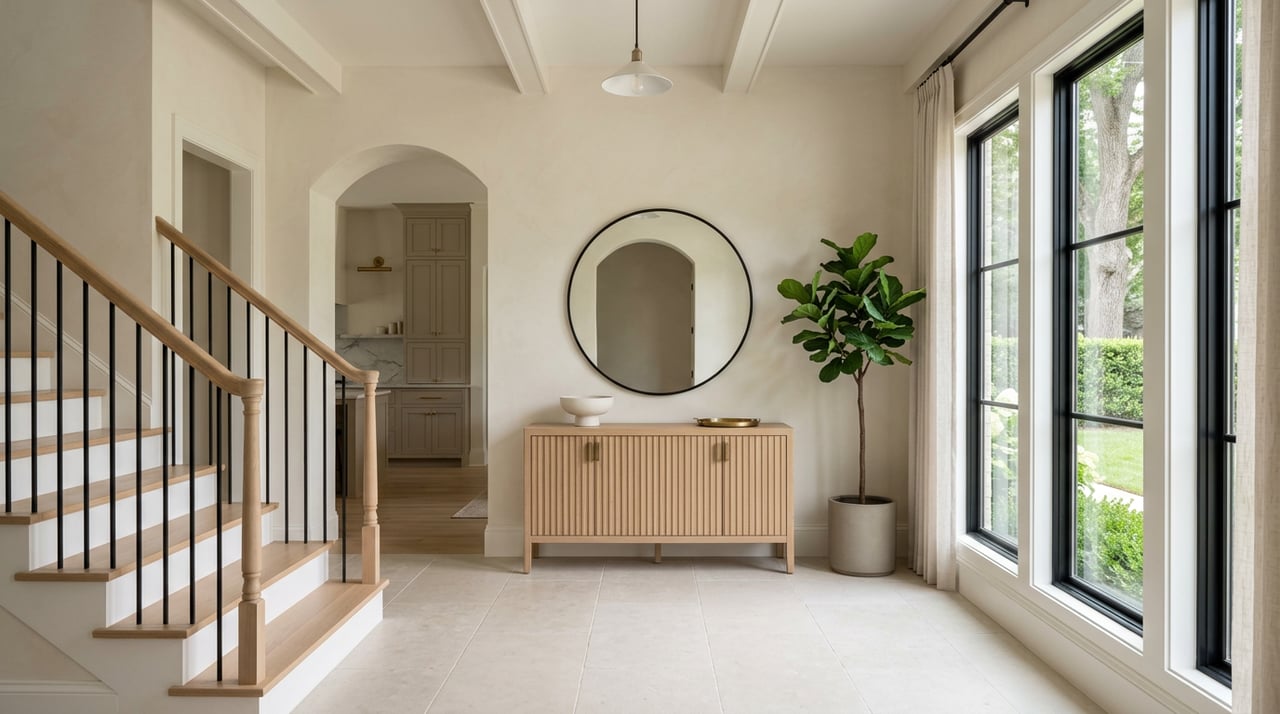
Recent Nashville design coverage highlights soft neutrals, warm woods, organic stone, open airy layouts, and a softer, more natural take on modern luxury. For many buyers here, the sweet spot is a warm transitional look or an updated modern-traditional home with clean lines and inviting materials.
In Nashville, drama still has a place, but it needs to feel intentional. Natural light, beautiful stone, quality millwork, and calm finishes tend to create a stronger luxury impression than oversized gestures that do not add comfort or function.
That matches broader buyer behavior. NAHB noted that two-story entry foyers were among the least desired specialty spaces, with 32% of buyers likely to reject a home with one and only 13% calling it essential.
Luxury buyers notice details. Cabinet design, storage planning, stone selection, flooring continuity, hardware, lighting, and the overall flow of materials all shape whether a new home feels custom and complete.
In this price range, buyers are not simply counting features. They are asking whether the home feels cohesive, comfortable, and worth the premium.
In Nashville luxury new construction, outdoor living is not an extra. It is part of the core package buyers expect.
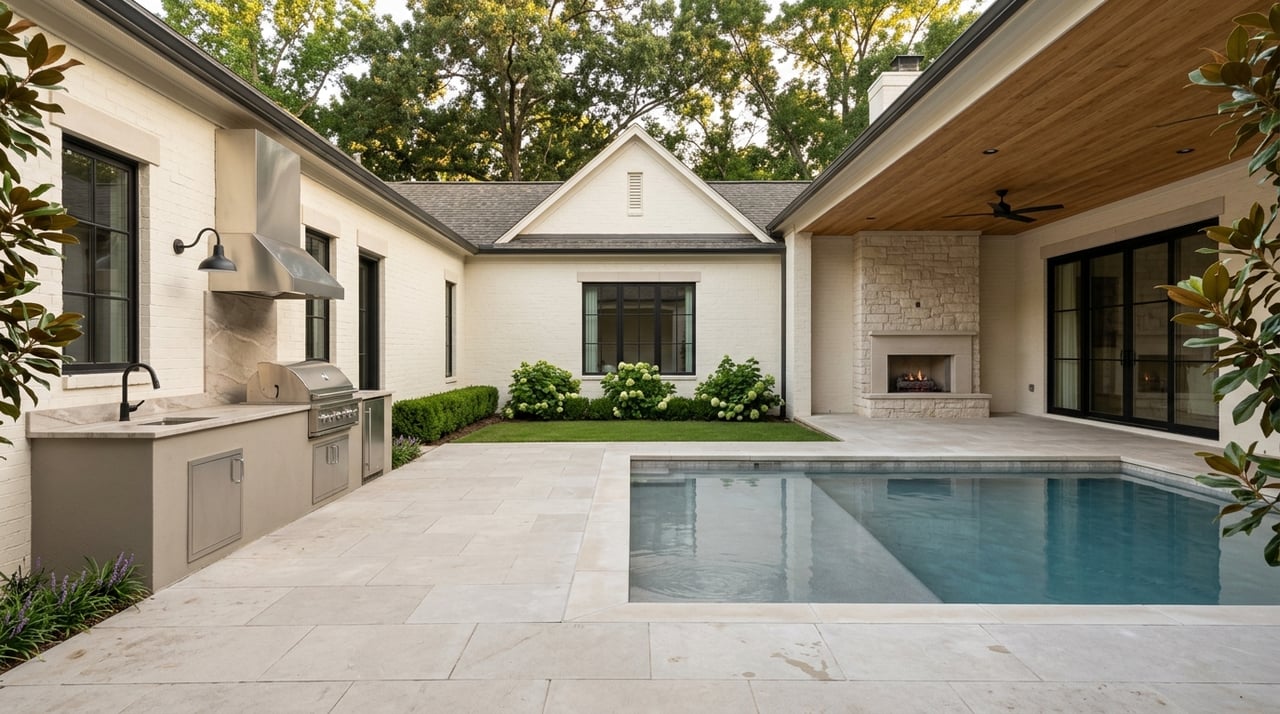
NAHB found that 86% of buyers wanted a patio, while exterior lighting, front porches, landscaping, and kitchen table space also ranked high. As home prices rise, outdoor kitchens, fireplaces, and built-in grills become even more important.
The best outdoor spaces function like an extension of the home. Covered patios, dining areas, lounge seating, built-in cooking zones, and thoughtful lighting help buyers imagine using the space year-round.
This matters in Nashville, where buyers often respond strongly to homes that connect indoor comfort with outdoor entertaining. A strong backyard plan can elevate the entire property experience.
Local design examples also show how much buyers value daylight, mature trees, privacy, and long views. A luxury home is often judged not just by its finish selections, but by how well it frames the landscape and brings in natural light.
That means lot orientation, window placement, and the relationship between the house and the outdoor setting matter just as much as the interior materials. In many cases, that is what makes a home memorable.
Technology is now part of the luxury baseline. Buyers want convenience, energy management, and peace of mind built into the home from day one.
NAHB reported that 78% of buyers rated a programmable thermostat as essential or desirable, followed by security cameras at 76%, video doorbells at 74%, and wireless home security systems at 70%. High-end buyers are also especially interested in systems that control lighting, security, and energy use.
The appeal of smart-home features is simple. You want a home that is easy to manage, whether you are adjusting temperature, checking deliveries, monitoring security, or setting lighting scenes.
In luxury new construction, these systems signal a home that feels current and thoughtfully equipped. They also support the smooth, turnkey experience many high-end buyers are after.
Efficiency is no longer a niche talking point. In Nashville, Metro adopted the 2024 International Codes, including the 2024 International Energy Conservation Code, in July 2025.
That means stronger energy performance is becoming part of the baseline expectation for new construction. Buyers are increasingly looking beyond surface finishes and asking how the home performs day to day.
The U.S. Department of Energy describes high-performing homes as airtight, well insulated, quiet, healthy, and more durable over time. Those benefits matter in luxury because they shape how the home feels to live in, not just how it looks in photos.
A well-performing home can offer more even temperatures, less outside noise, better indoor comfort, and lower ownership costs over time. In the luxury space, those practical benefits are becoming part of what defines quality.
NAHB’s 2026 report says high-end buyers are especially interested in above-standard certifications tied to energy efficiency, indoor air quality, and water efficiency, along with EV charging stations. Even when a home already meets current code, buyers may still place extra value on added performance features.
For you as a buyer, that means it is worth asking how the home was built, not just how it was finished. Build quality, insulation strategy, air sealing, and systems planning all play a role in long-term satisfaction.
Luxury buyers are not only buying the home itself. They are also buying into a certain daily experience.
NAHB says high-end buyers value community features such as walking paths, jogging trails, parks, and nearby retail. Greater Nashville luxury communities are responding with amenities like resort-style pools, clubhouses, event lawns, trails, and club-oriented living.
That does not mean every buyer wants the same setting. It does mean lifestyle fit matters, and buyers tend to respond when a home and its surroundings support how they actually want to live.
If you are shopping luxury new construction in Nashville, the most desirable homes usually combine beauty with function. Buyers want open living, flexible rooms, usable outdoor space, smart technology, stronger energy performance, and design that feels warm and refined.
The biggest takeaway is this: size still matters, but it is no longer enough on its own. In today’s market, the homes that stand out are the ones that make everyday living easier, more comfortable, and more enjoyable.
When you are comparing builders, floor plans, or custom options, it helps to have a clear eye for what truly adds value. If you want expert guidance on luxury new construction in Nashville and the surrounding Middle Tennessee market, connect with Stephanie Sexton for a personalized consultation.
Stay up to date on the latest real estate trends.
Renowned for her client-focused approach and steadfast commitment, Stephanie distinguishes herself as a top negotiator, always striving for mutually beneficial outcomes for all parties involved. Her expertise is particularly valuable in navigating the complexities from contract to close, ensuring her clients achieve their real estate objectives efficiently and effectively while getting the best value.